
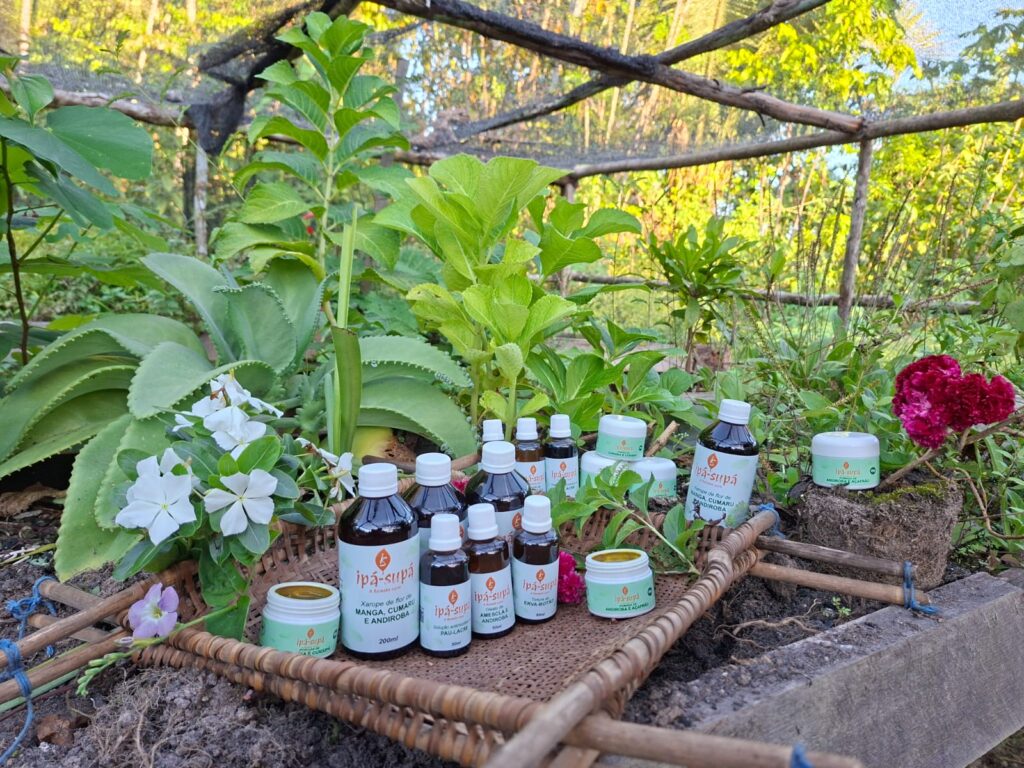
Ipá-Supá means “tree leaf” in the Xipái language. This name refers to the medicinal plants used as a source of healing and, like the vegetation that renews itself, carries the rebirth of ancestral knowledge, autonomy and connection with the living forest.
In the Xipaya Indigenous Territory, the increase in illnesses, aggravated by the advance of external interference, has led many indigenous families to increasingly resort to synthetic medicines. This process has gradually led to the weakening of traditional medicine, passed down from generation to generation by the elders.
It was from this reality that the need arose to create a space for the production of herbal medicines within Kaarimã Village, Xipaya Indigenous Territory. The production of herbal medicines within the village not only revives practices that have been forgotten, but also strengthens the community’s autonomy in relation to its own health. It is a way of resisting, affirming cultural identity and keeping alive the intimate relationship with the territory.
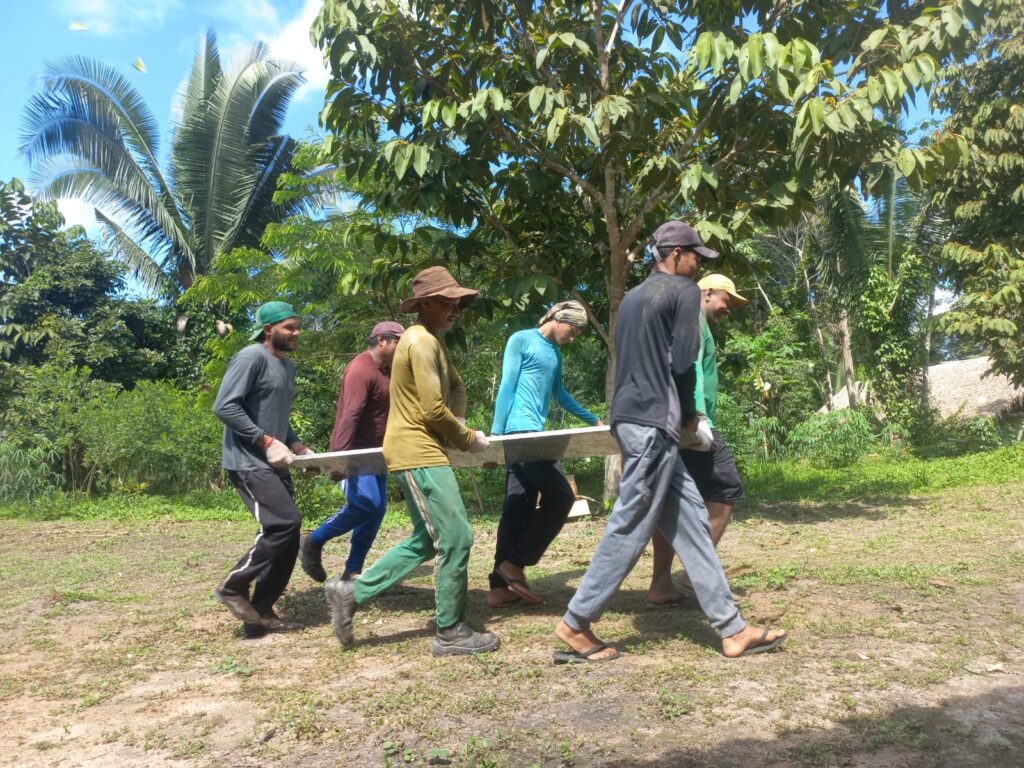
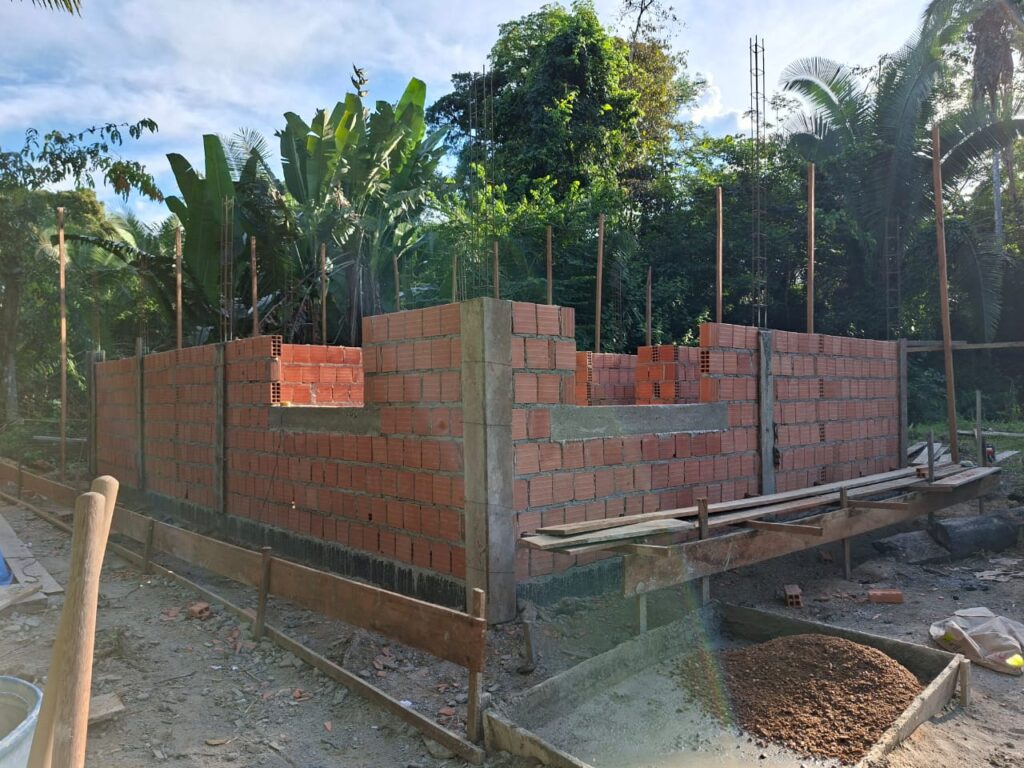
The project includes the construction of a space for the production of natural herbal medicines, using medicinal herbs grown and collected in the village itself, as well as tree bark and sap extracted from the rich biodiversity of the local forest. As well as serving this important initiative, the space will also be a meeting point for the transmission of ancestral knowledge.
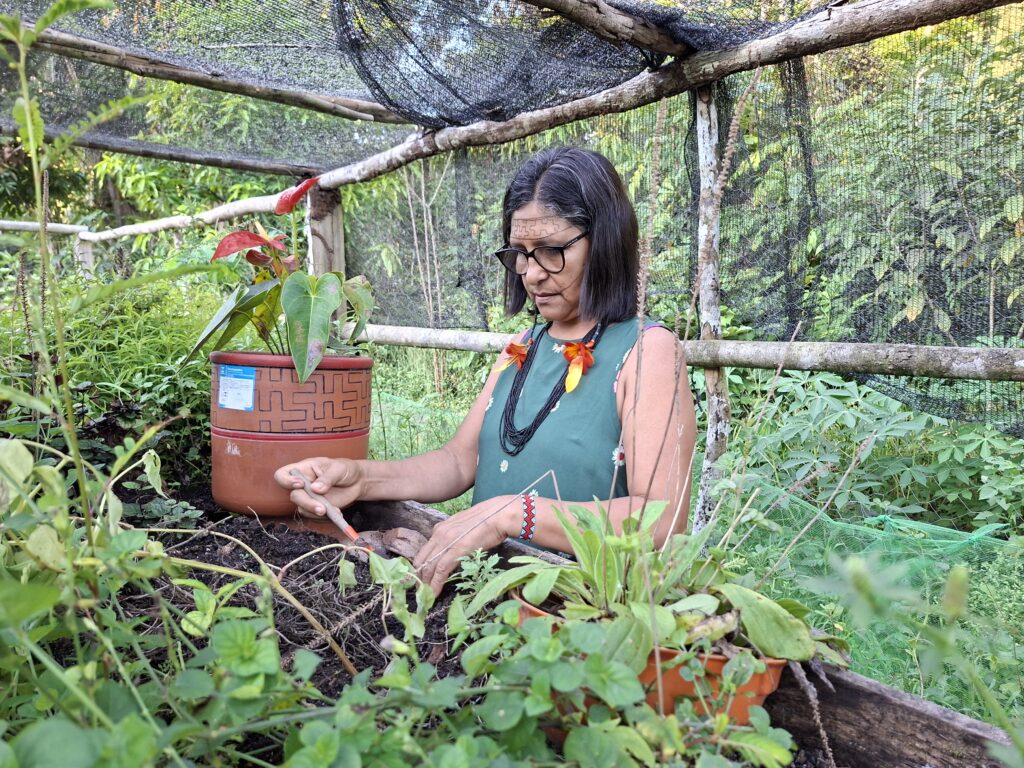
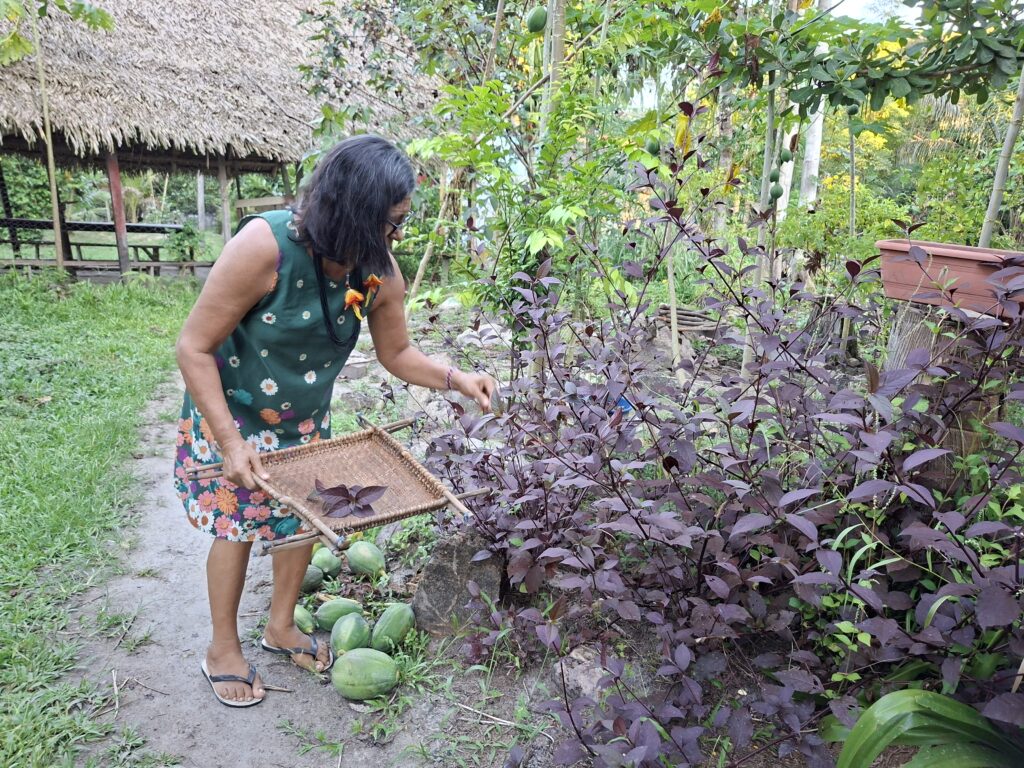
The president of the Juma Institute, Maria Lúcia Xipaia, has led the initiative with her vast knowledge of the use of medicinal plants. It is with the guardian of this knowledge that some young people from the Xipaya territory will learn to care for, prepare and use these remedies. The relationship between youth and ancestry is one of the pillars of Ipá-Supá, a link of continuity that prevents knowledge from being lost over time.
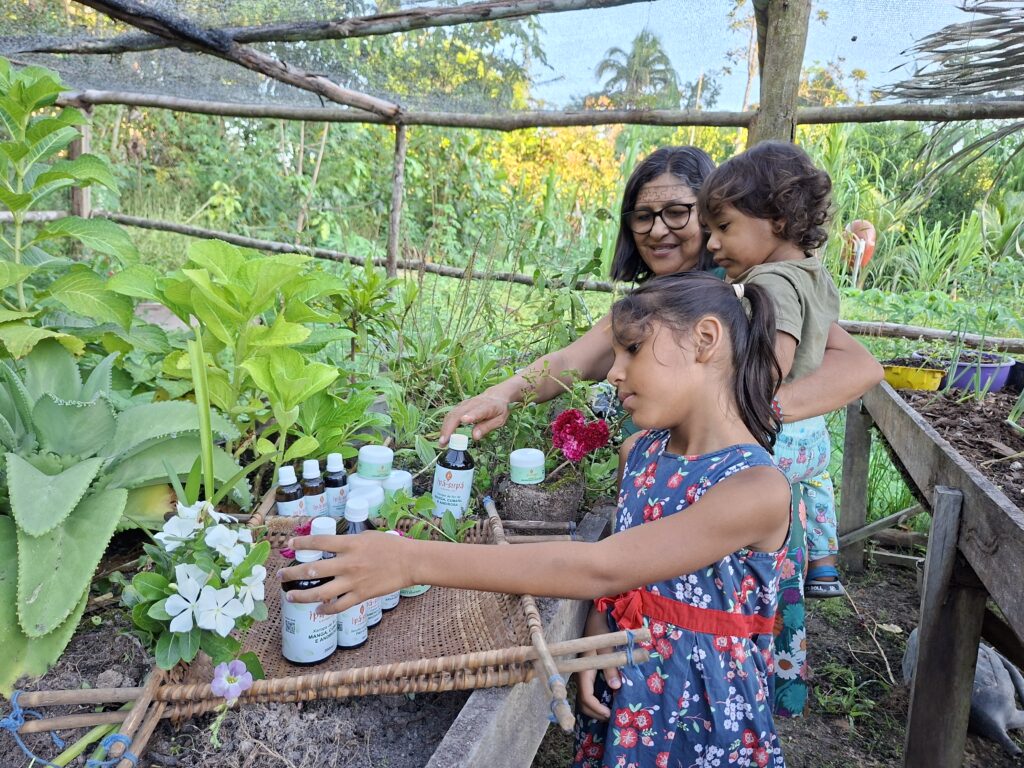
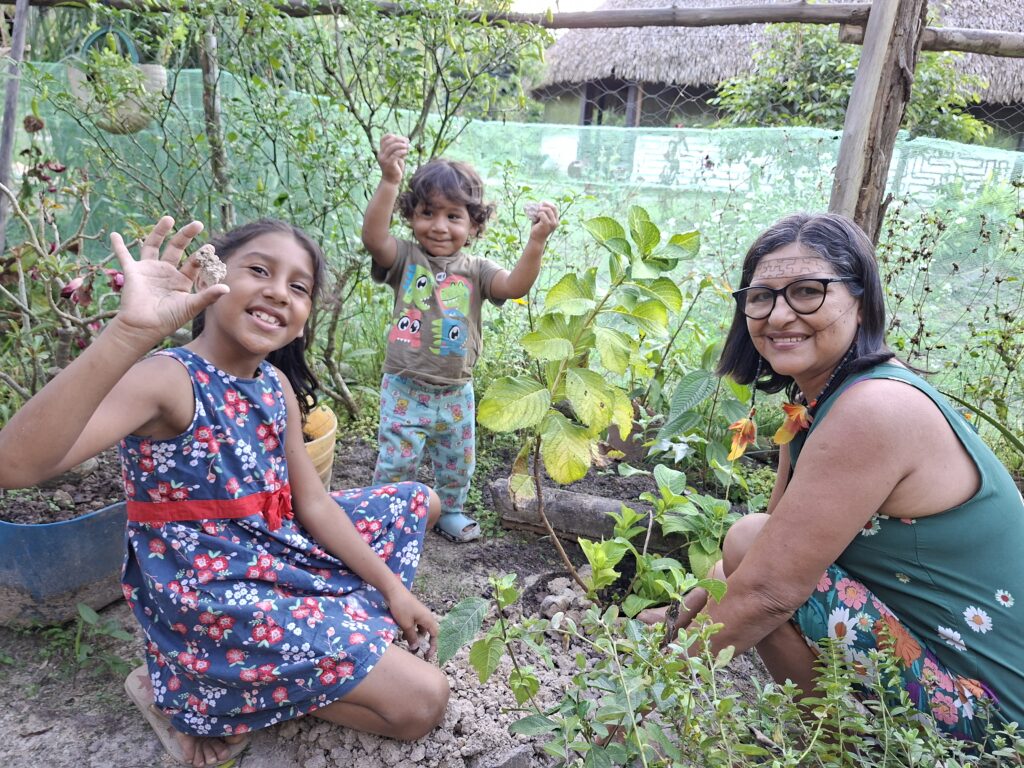
Ipá-Supá’s initiative also extends beyond caring for the body: it proposes environmental education, with activities involving the identification of medicinal species, ecological trails, mapping the traditional use of plants and the exchange of seedling production and knowledge between different villages in the Territory and the surrounding area. By promoting this dialog between communities, the project contributes to the protection of biodiversity, the conservation of the standing forest and the transmission of traditional knowledge, especially among women, children, adults, the elderly and young people.
As part of its efforts to develop Ipá-Supá, the Juma Institute’s priority is to care not only for physical health, but also for the cultural, environmental and spiritual health of the territory. In the future, the production of herbal medicines will allow them to be distributed in the health posts of all the villages in the Xipaya Territory and in the surrounding Extractive Reserves, expanding access to natural medicines and reducing dependence on synthetic and industrialized medicines.
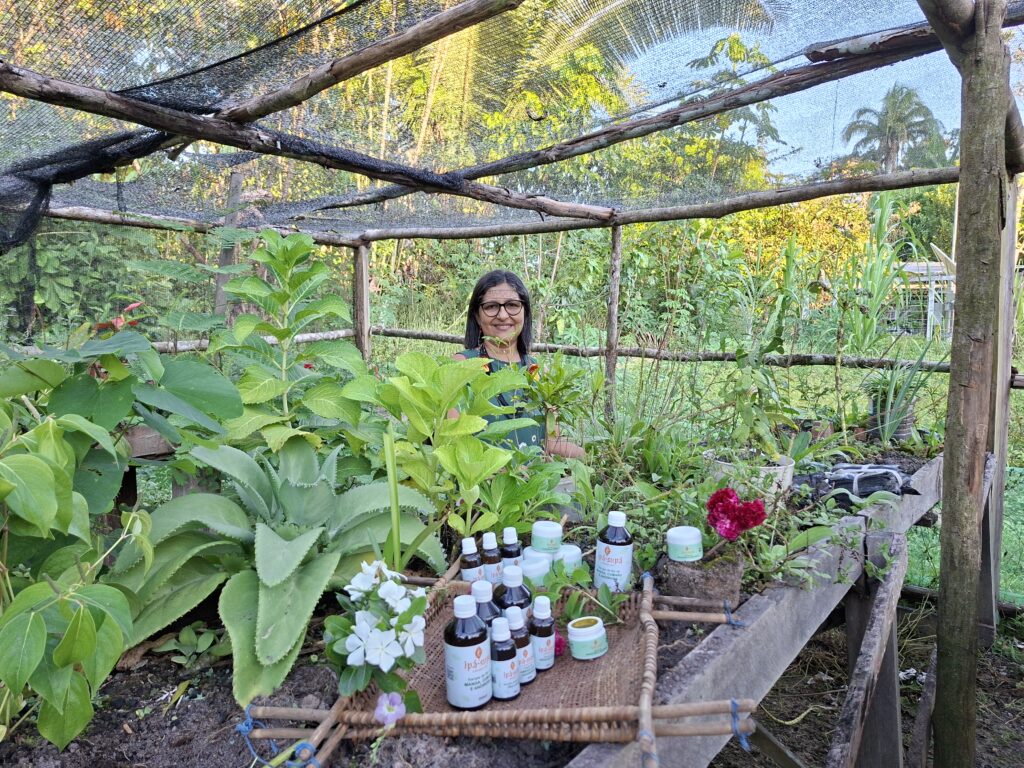
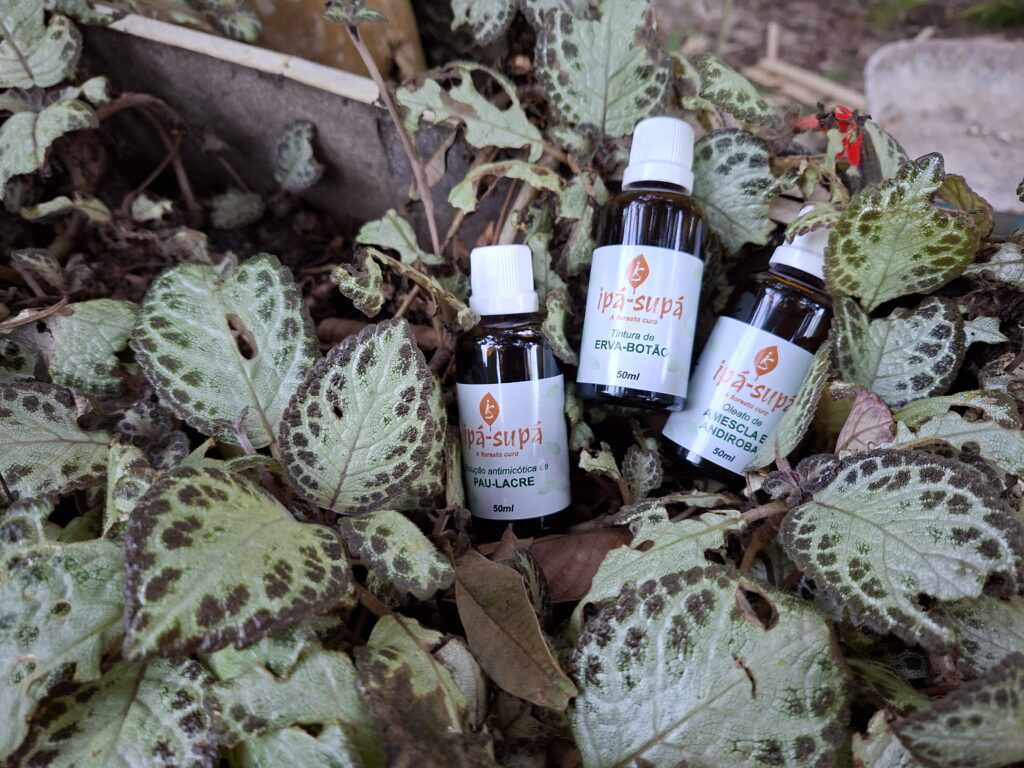
With Ipá-Supá, the Kaarimã community is not only rescuing a ancestral practice, but is positioning itself as a reference point for other communities who will also be able to benefit from the production of herbal medicines and the exchange of knowledge. Ipá-Supá is therefore much more than a physical space. It is where the forest speaks through its leaves and finds resistance in the courage of the Xipái!