
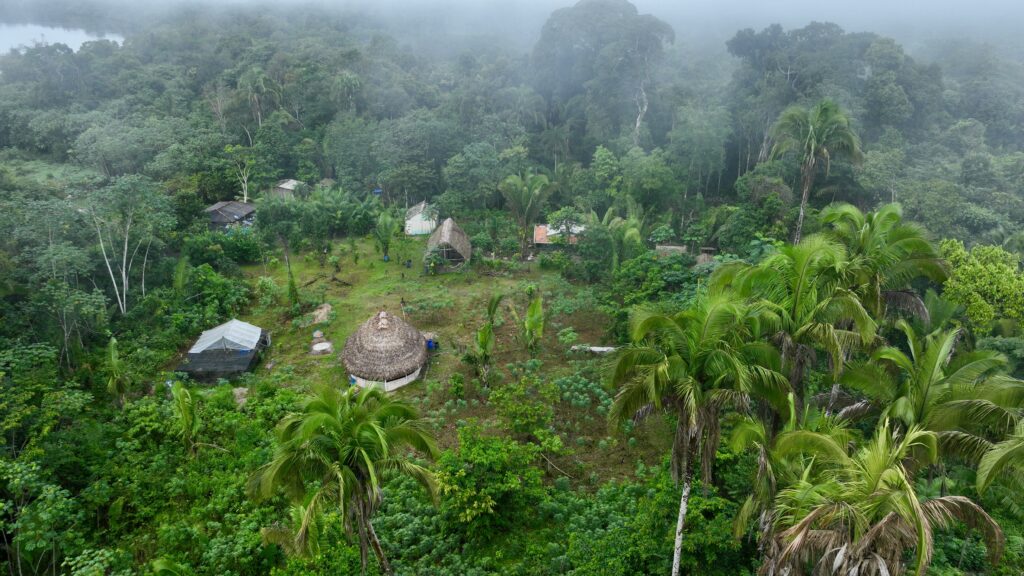
Celebrated on September 5th, Amazon Day was created to highlight the importance of the largest tropical rainforest in the world and raise awareness about the essential role it plays in sustaining life on the planet. Covering nearly 7 million km², of which about 4 million are spread across nine Brazilian states (Acre, Amapá, Amazonas, Pará, Rondônia, Roraima, Tocantins, Mato Grosso, and Maranhão), the Amazon harbors an unparalleled biological and cultural diversity.
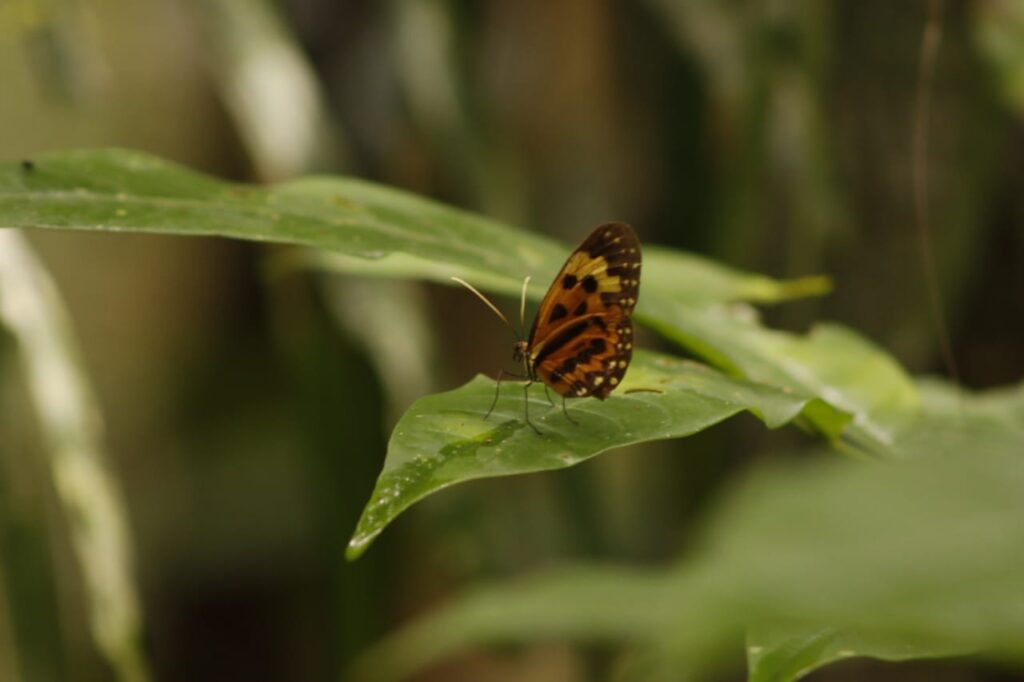
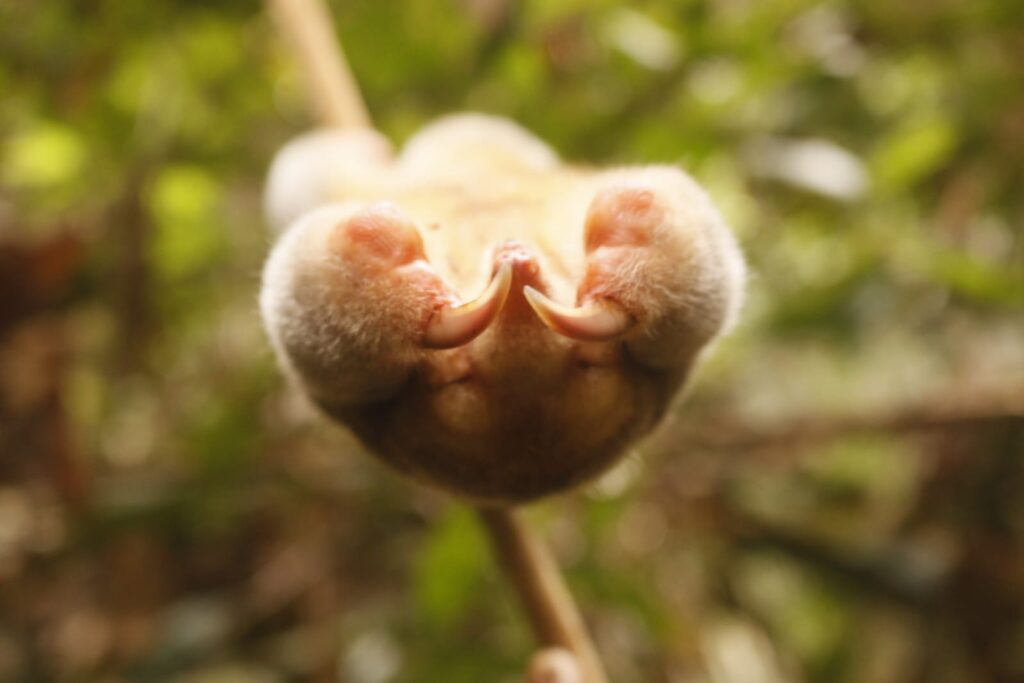
The Amazon Basin, the largest in the world, is vital for keeping the forest standing. In addition to hosting immense biodiversity, its rivers are essential for connecting communities and providing food, water, and other crucial resources for riverside and Indigenous populations. The waters of the Amazon also play a decisive role in global climate balance, regulating rainfall patterns and influencing ecosystems far beyond its borders.
When we think of the Amazon, towering trees often come to mind, symbols of grandeur and resilience. However, the region is composed of a mosaic of ecosystems: dense and open forests, seasonal forests, igapós (flooded forests), wetlands, floodplains, savannas, campinaranas, and other unique environments. This natural diversity goes hand in hand with the cultural plurality of Amazonian peoples: Indigenous groups, riverside dwellers, quilombolas, and many other communities who carry unique histories, knowledge, and ways of life.
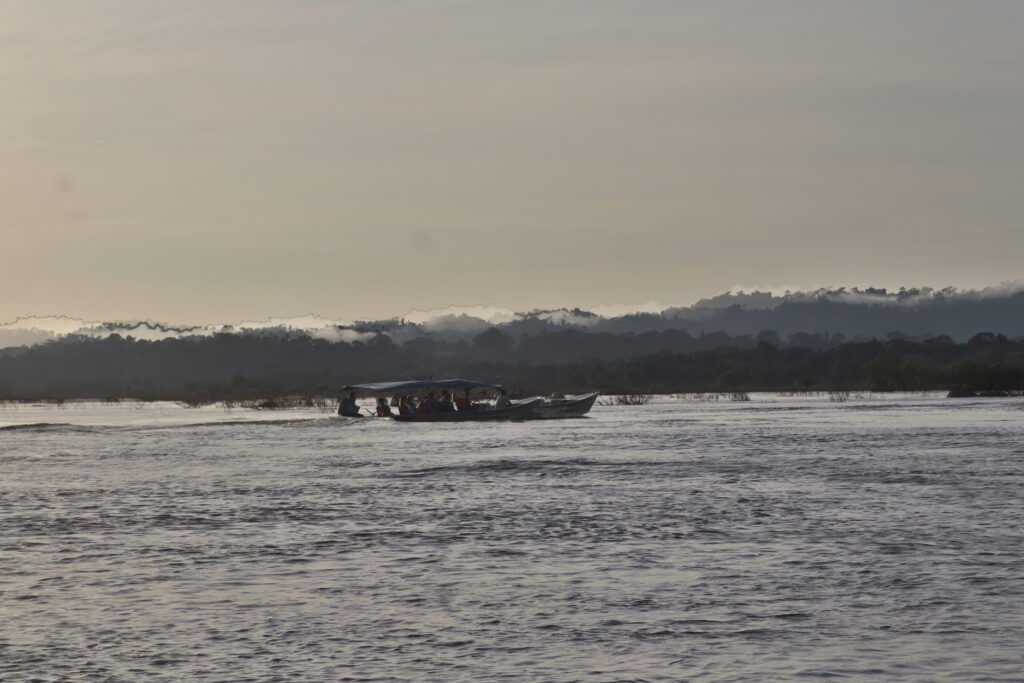
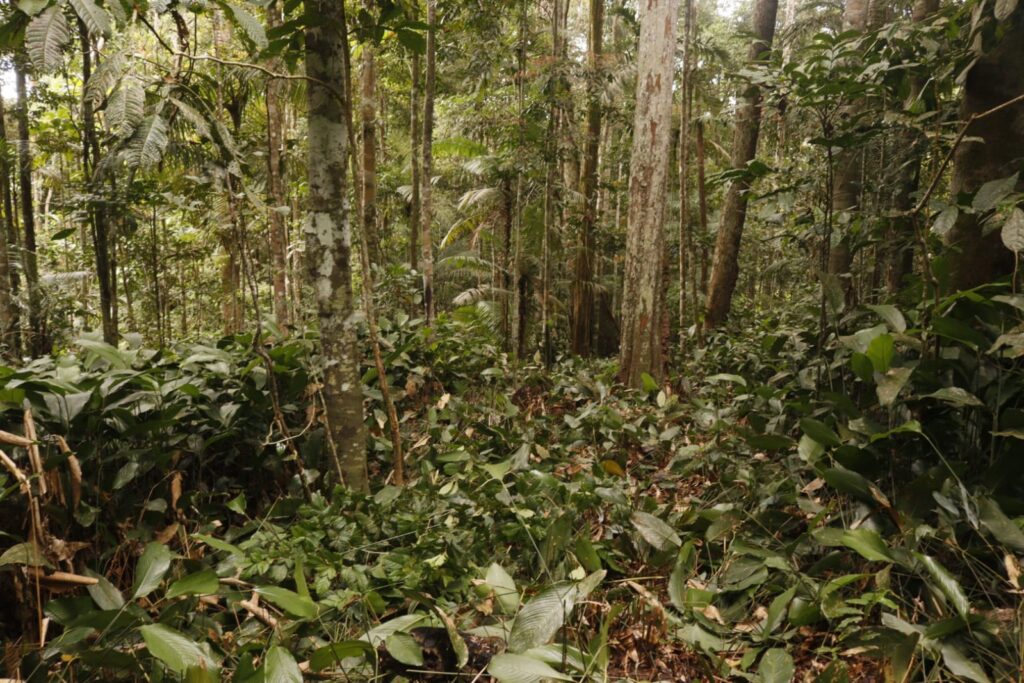
In Pará, the Xipaya Indigenous Land is a living example of how the forest and its peoples coexist in balance. Inhabited by the Xipái people, this territory holds countless treasures: ancestral knowledge about the use of medicinal plants, the protection of water sources, and land management practices that harmonize with the forest, ensuring both environmental preservation and the continuity of traditional ways of life.
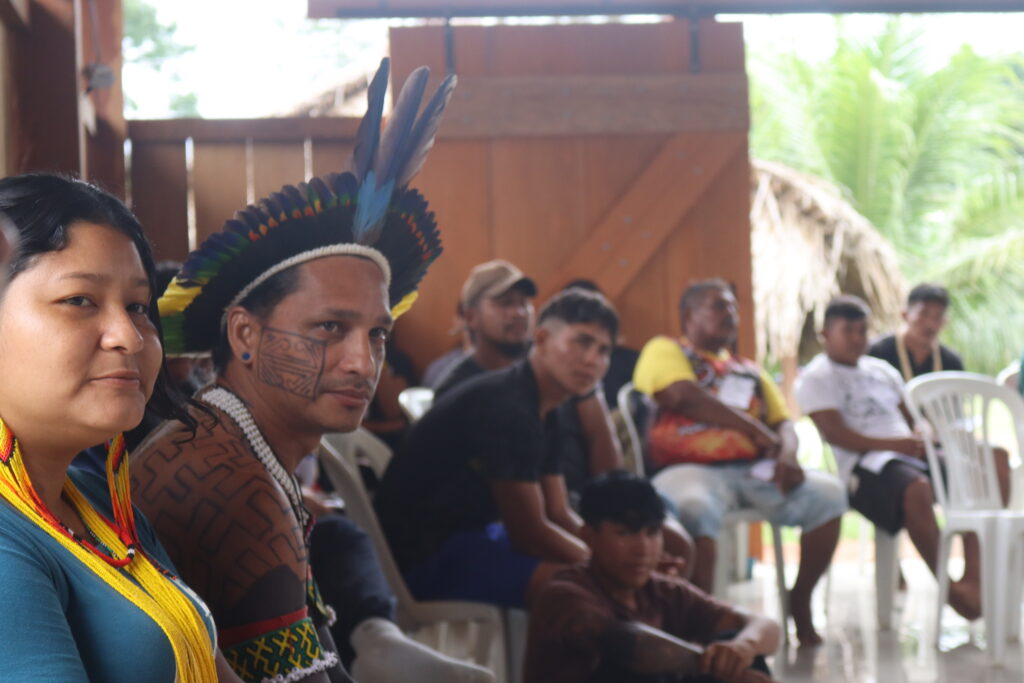
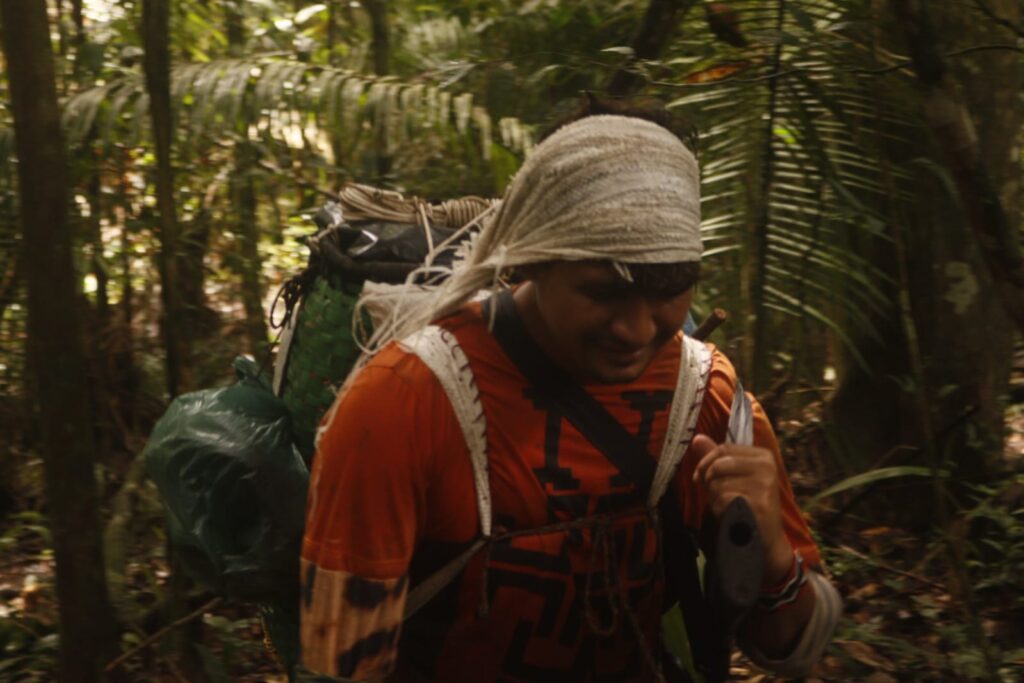
The Juma Institute recognizes that the forest cannot survive on its own. It is the Indigenous peoples who, for thousands of years, have cared for this territory, safeguarding its knowledge, waters, and biodiversity. That is why the Institute works daily to defend the forest, promoting the appreciation of traditional knowledge and the conservation of the territory. Protecting the Amazon is urgent. Preserving its biodiversity means protecting the future of all of us.
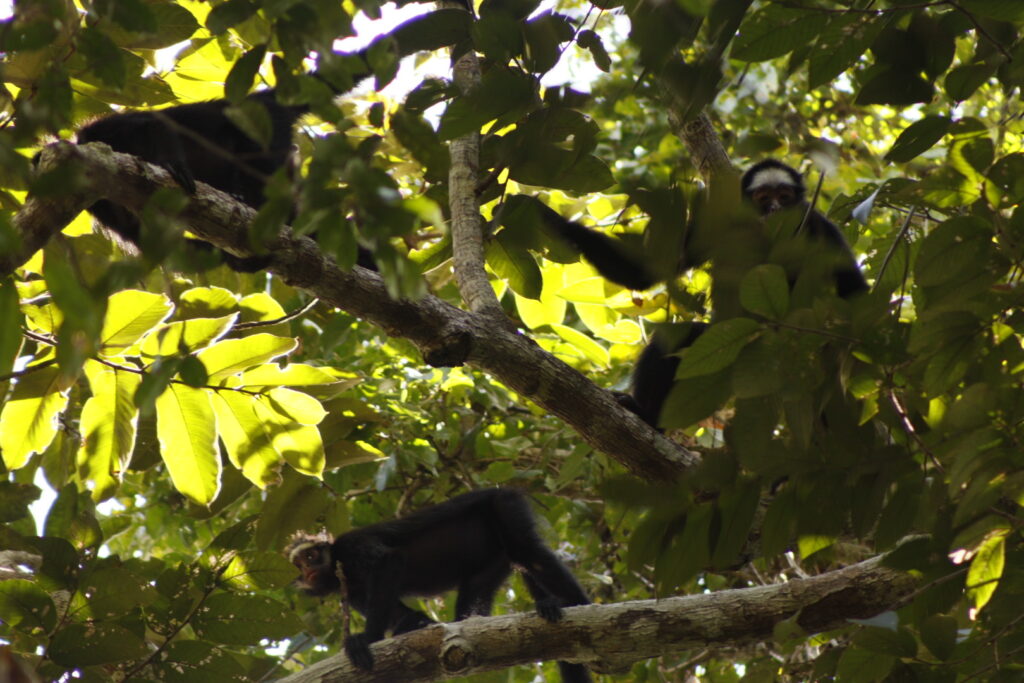
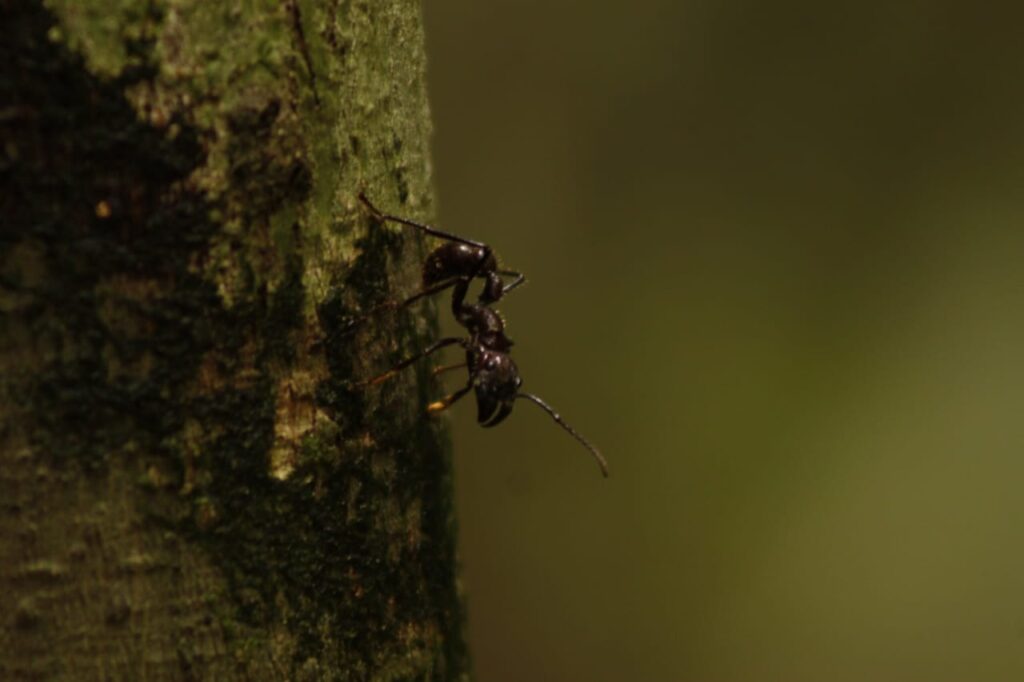
Photos: Yjapyka Xipaia, young communicator from Xipaya Indigenous Land