Uncategorized

WORLD WILDLIFE DAY: MEDICINAL AND AROMATIC PLANTS

Celebrated on March 3, World Wildlife Day highlights a different theme each year, inviting reflection and action in defense of biodiversity. In 2026, the theme is “Medicinal and Aromatic Plants: Conserving Health, Heritage, and Livelihoods“. The campaign emphasizes the fundamental role of medicinal and aromatic plants in human health and well-being, as well as their …

WORLD WILDLIFE DAY: MEDICINAL AND AROMATIC PLANTS Leia mais »
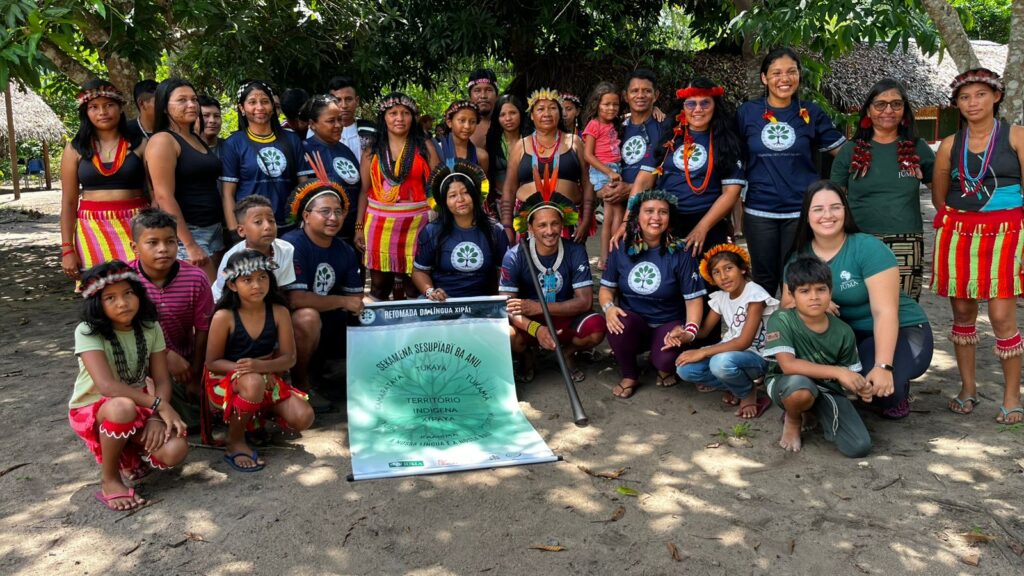
XIPÁI LANGUAGE REVITALIZATION 

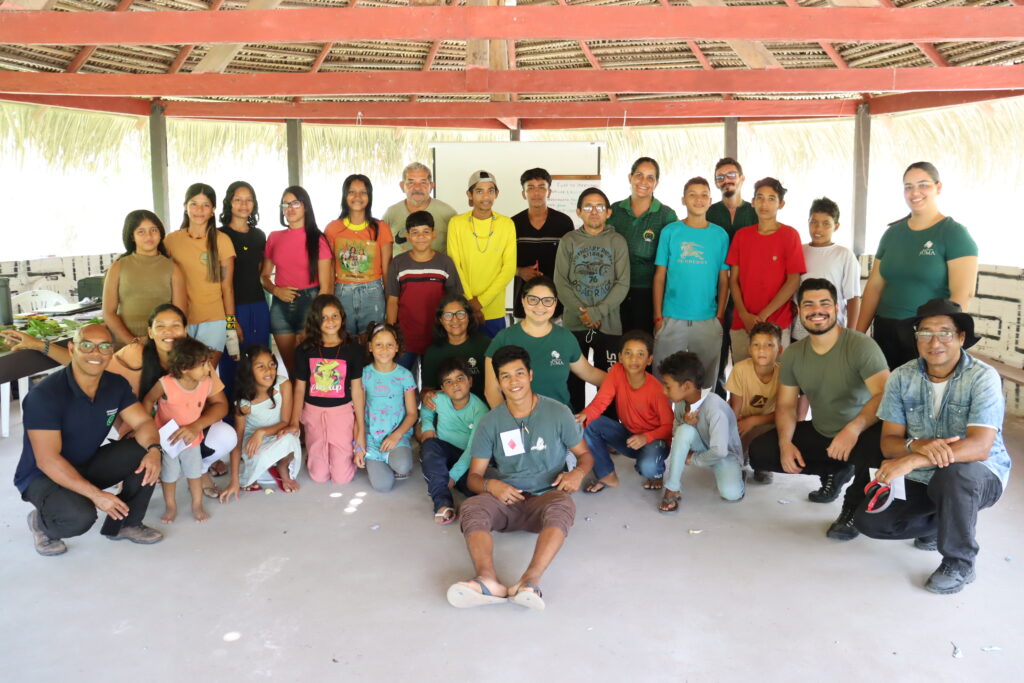
Between October 20 and 24, 2025, the Pitjiptjia Village, located in the Xipaya Indigenous Territory, hosted the 2nd Xipái Language Revitalization Workshop of the year. The gathering brought together teachers and other community members committed to strengthening and revitalizing their native language. The workshop was led by Jãdatari Xipái, an Indigenous teacher dedicated to the …

XIPÁI LANGUAGE REVITALIZATION  Leia mais »

IDENTIFICATION OF MEDICINAL PLANTS

Between September 24 and 26, 2025, the Kaarimã Village, in the Xipaya Indigenous Territory, hosted professors, researchers, and students from the Federal University of Pará (UFPA) and the Emílio Goeldi Museum of Pará. Together with the guardians of traditional knowledge, women, and youth from the territory, a workshop on the identification of medicinal plants was …

IDENTIFICATION OF MEDICINAL PLANTS Leia mais »

STRENGTHENING BIODIVERSITY MONITORING AND INDIGENOUS KNOWLEDGE

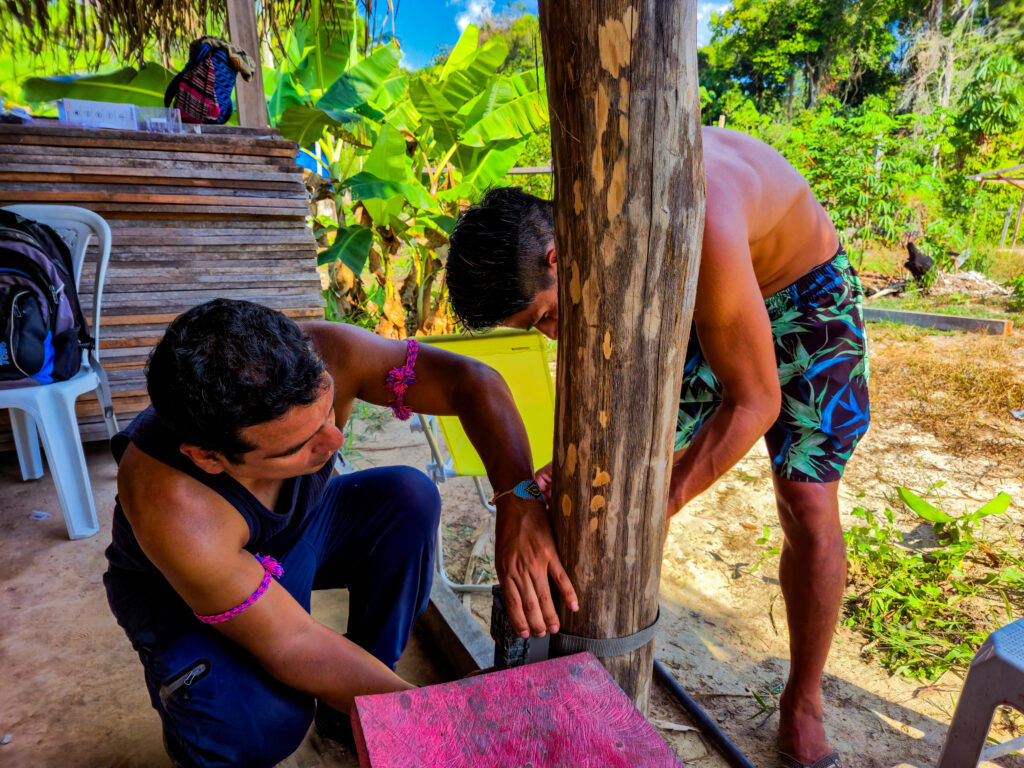
On September 7th and 8th, 2025, the Yupá village, located in the Xipaya Indigenous Land, welcomed the team from the Colombian company Savimbo, composed of Indigenous experts dedicated to biodiversity monitoring. The initiative focuses on identifying small and large species that are endangered or critically threatened, as well as developing projects aimed at generating biodiversity …

STRENGTHENING BIODIVERSITY MONITORING AND INDIGENOUS KNOWLEDGE Leia mais »

IPÁ-SUPÁ: HEALING FROM THE FOREST

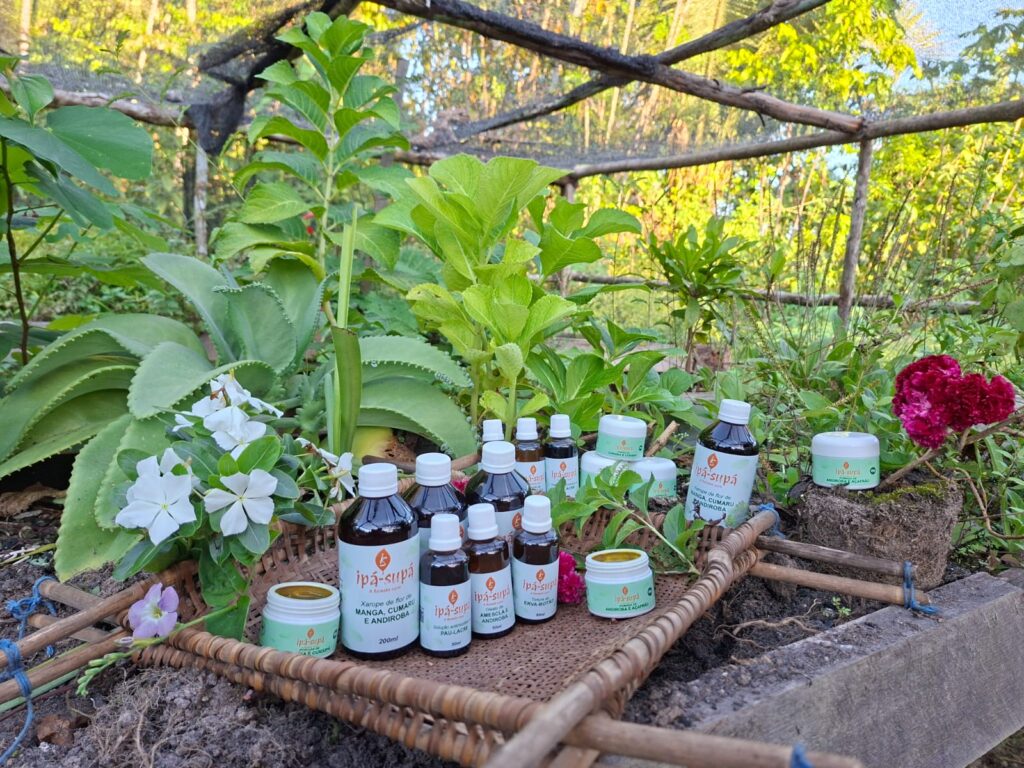
Ipá-Supá means “tree leaf” in the Xipái language. This name refers to the medicinal plants used as a source of healing and, like the vegetation that renews itself, carries the rebirth of ancestral knowledge, autonomy and connection with the living forest. In the Xipaya Indigenous Territory, the increase in illnesses, aggravated by the advance of …

IPÁ-SUPÁ: HEALING FROM THE FOREST Leia mais »

TOGETHER FOR THE FOREST: JUMA INSTITUTE AND AGE OF UNION

 The Juma Institute is extremely proud to have the support of Age of Union in its mission to protect the Amazon rainforest and strengthen the peoples who inhabit it and keep it alive. Together, we have joined forces in a commitment to conserving biodiversity, valuing traditional cultures and promoting the well-being of communities in order …

TOGETHER FOR THE FOREST: JUMA INSTITUTE AND AGE OF UNION Leia mais »

2024 RETROSPECTIVE

We are closing another cycle and we would like to take this opportunity to look back on our actions and achievements over the year and thank everyone who has contributed to the Juma Institute. In 2024, we established and strengthened many ties that brought a series of improvements to the Karrimã village and the Xipaya …

2024 RETROSPECTIVE Leia mais »

TERRITORIAL MANAGEMENT OF THE XIPAYA INDIGENOUS LAND

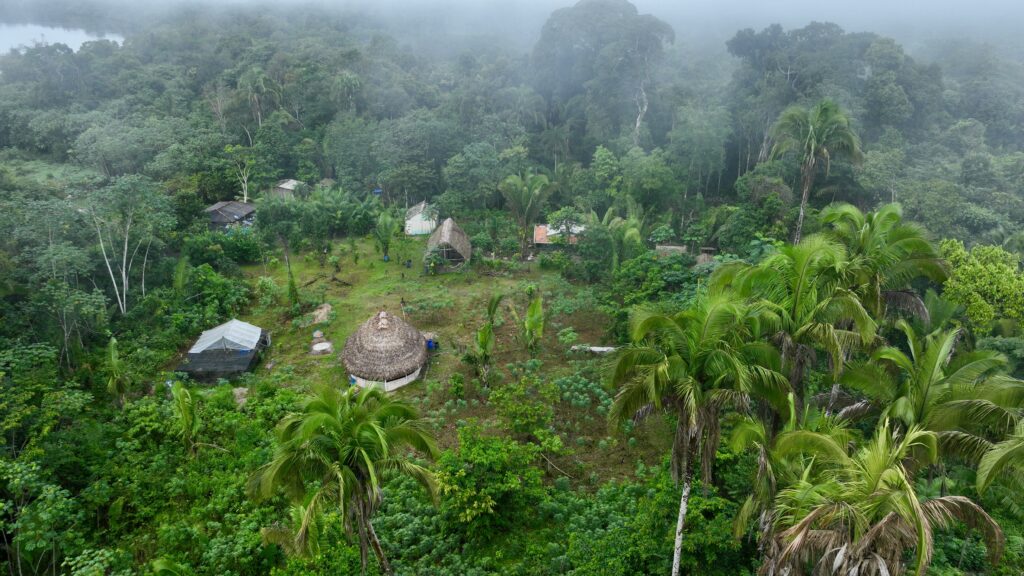
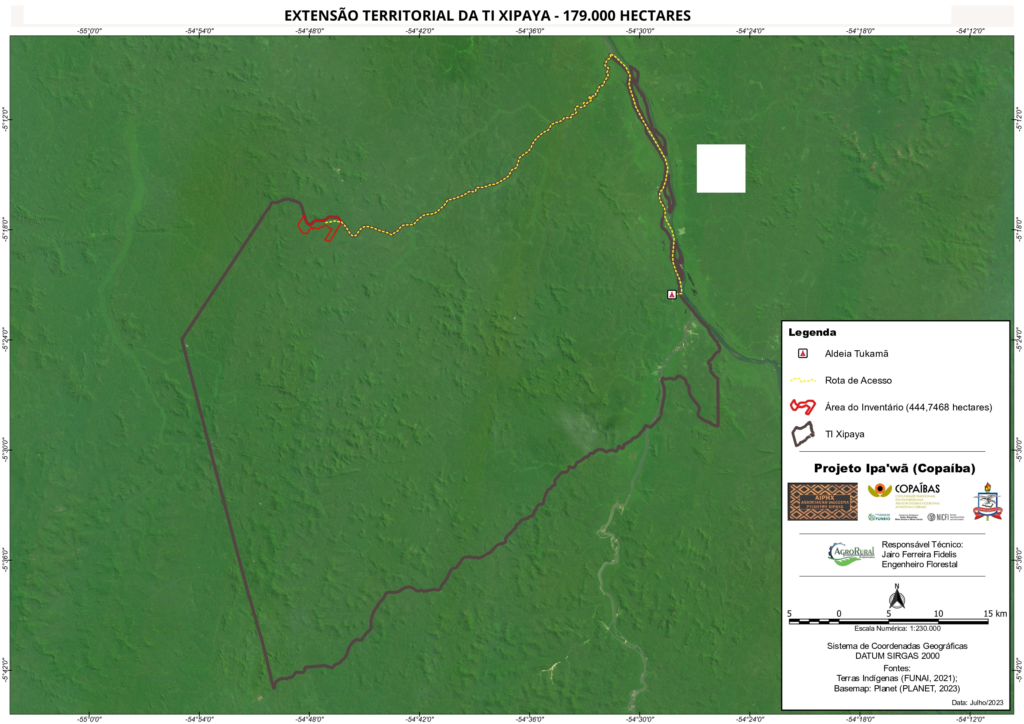
The Xipaya Indigenous Land (TI Xipaya) is located in the Amazon Rainforest, Altamira, State of Pará, Brazil, known as the Terra do Meio and is part of the mosaic of Protected Areas in the region. Currently, there are 6 villages (Tukamã, Tukayá, Kamarataya, Pitjipitjia, Kaarimã, and Yupá). The Xipaya Indigenous Land (TI Xipaya) covers an …

TERRITORIAL MANAGEMENT OF THE XIPAYA INDIGENOUS LAND Leia mais »

Rolar para cima