
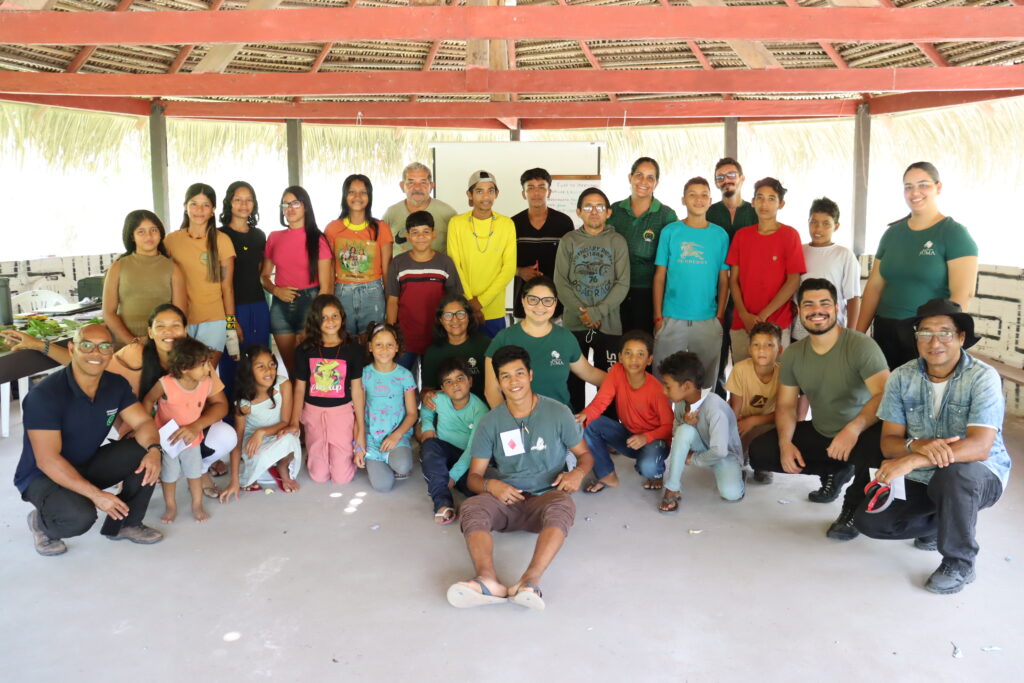
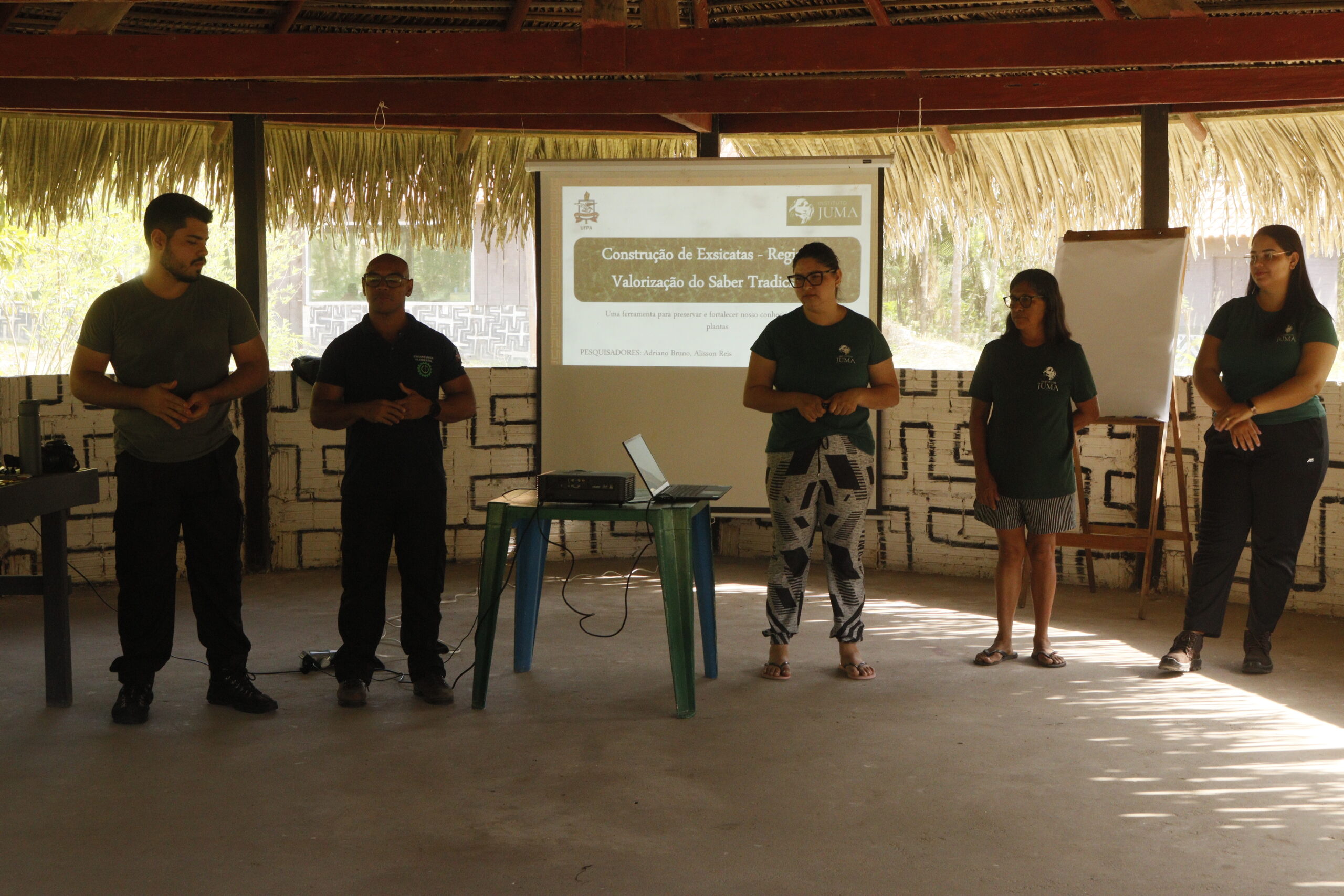
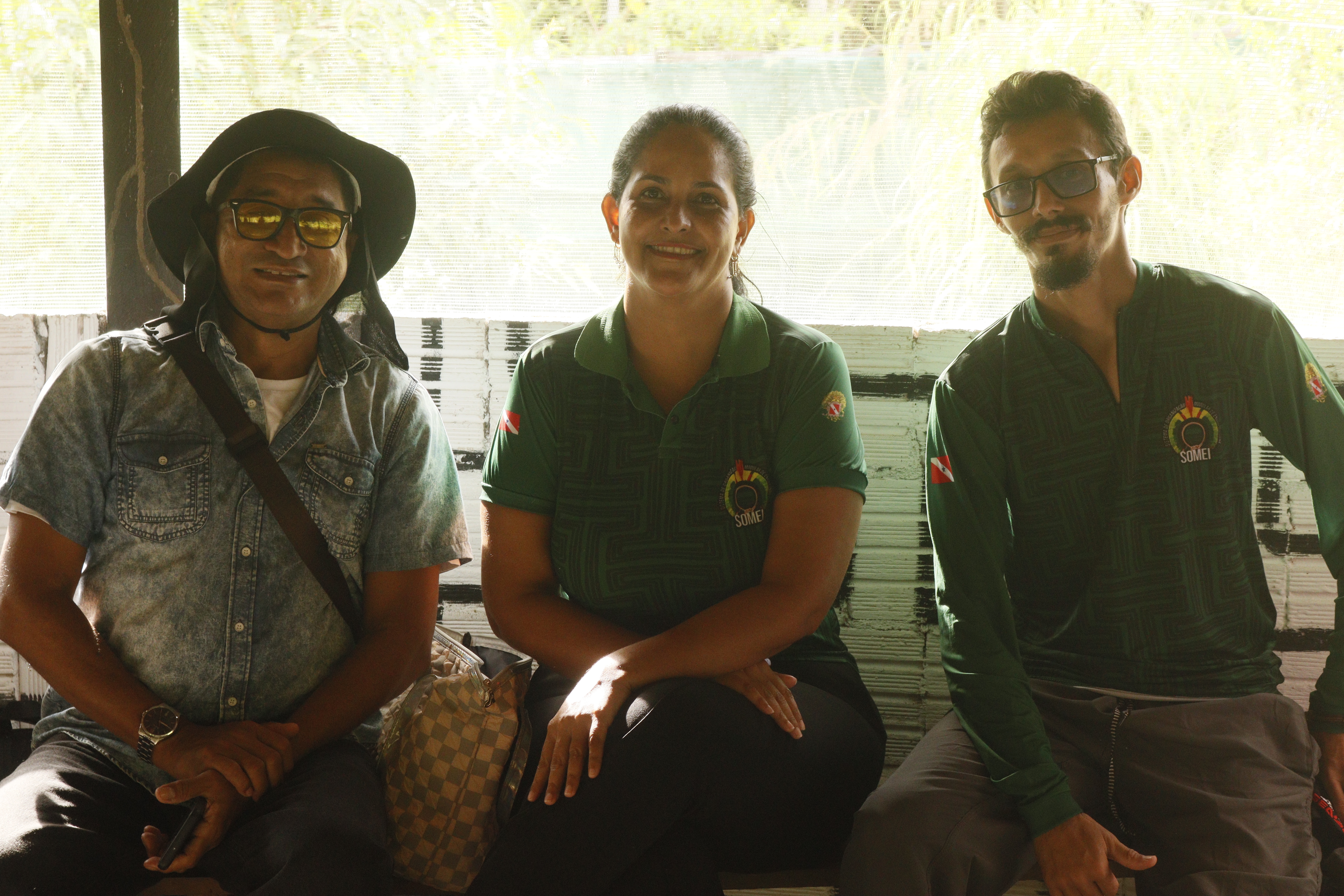
Between September 24 and 26, 2025, the Kaarimã Village, in the Xipaya Indigenous Territory, hosted professors, researchers, and students from the Federal University of Pará (UFPA) and the Emílio Goeldi Museum of Pará. Together with the guardians of traditional knowledge, women, and youth from the territory, a workshop on the identification of medicinal plants was held.
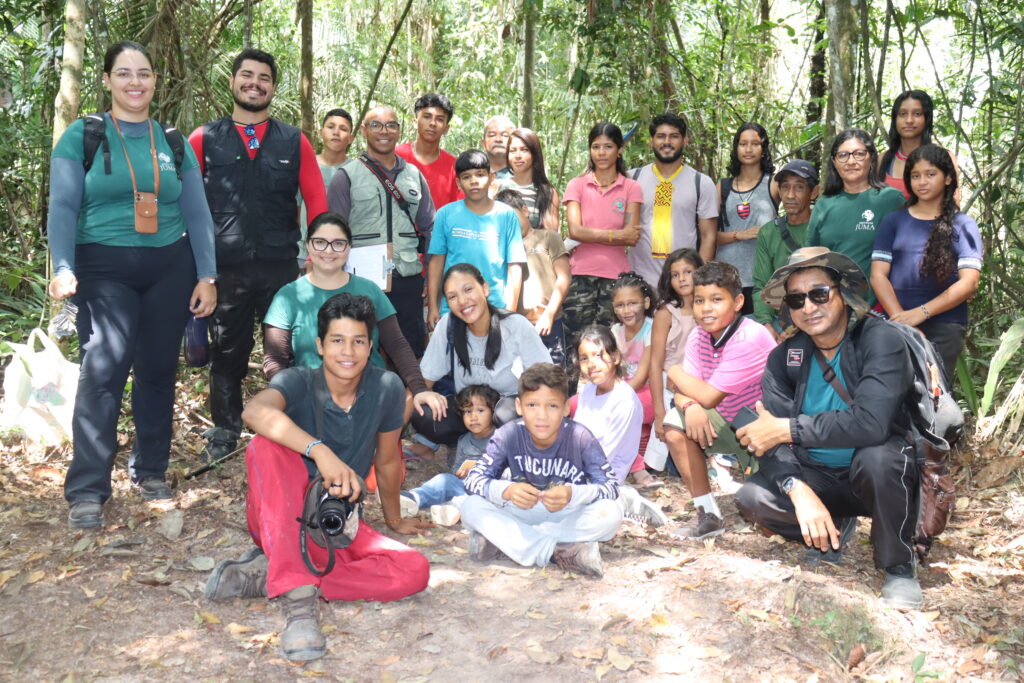
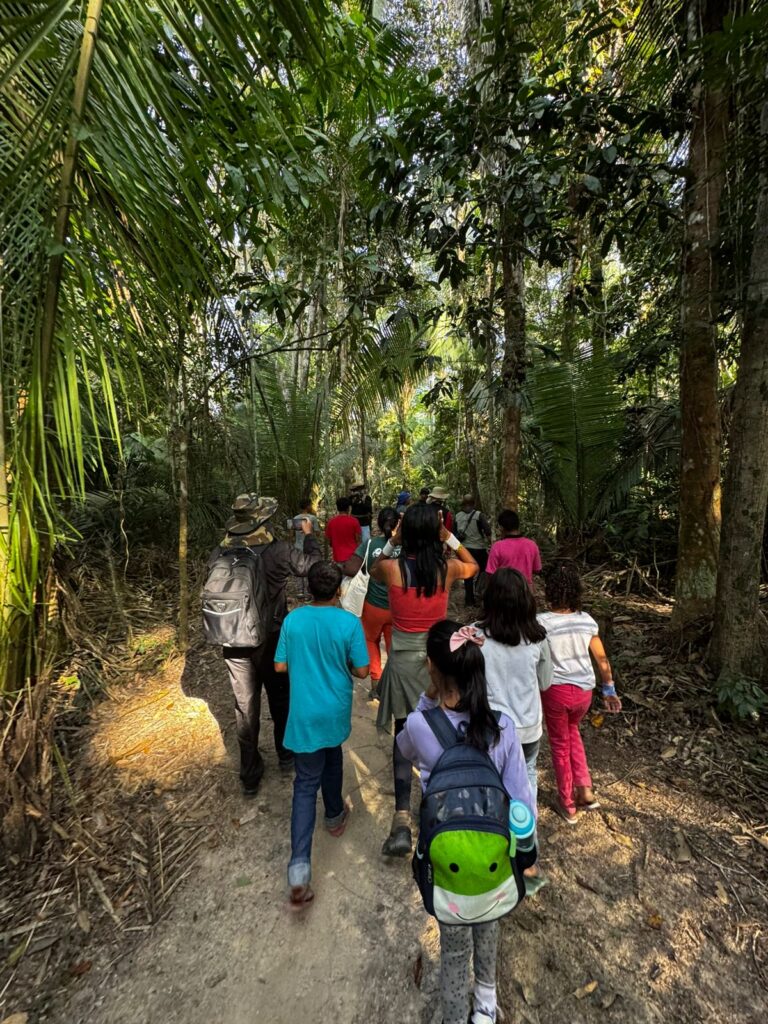
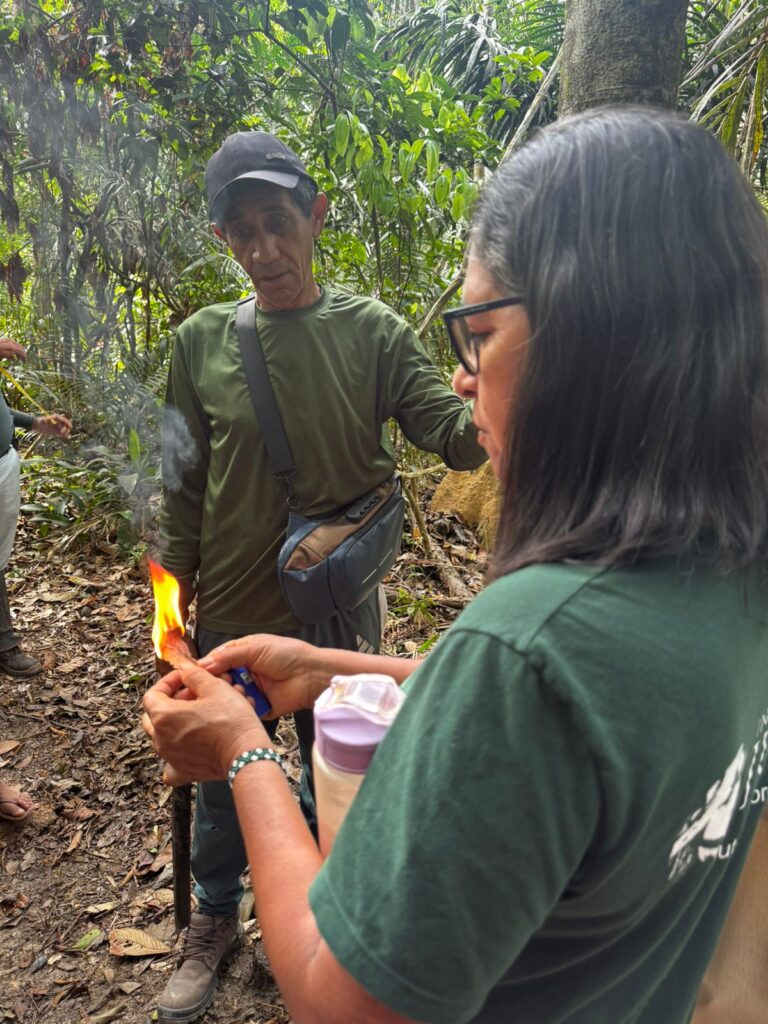
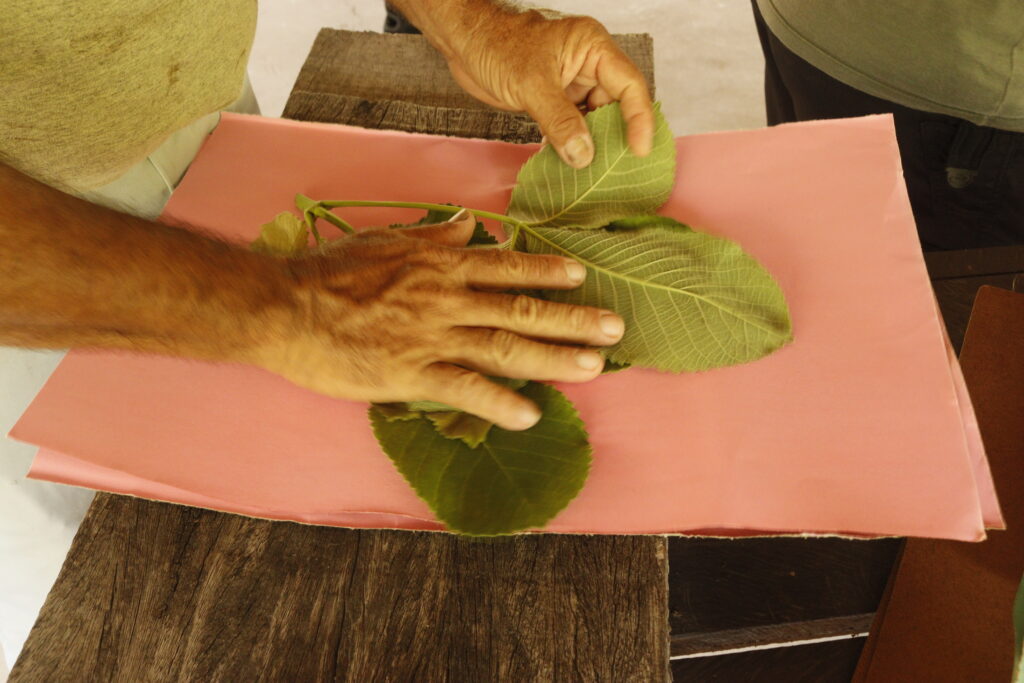
On the first day, the program included an introduction to the importance of botanical identification, a presentation of species recognition techniques, and practices on the preparation of plant specimens for herbarium formation. During the following two days, field activities took place along Kaarimã Village’s ecological trail, focusing on recognizing medicinal plants and promoting hands-on learning in direct contact with the forest.
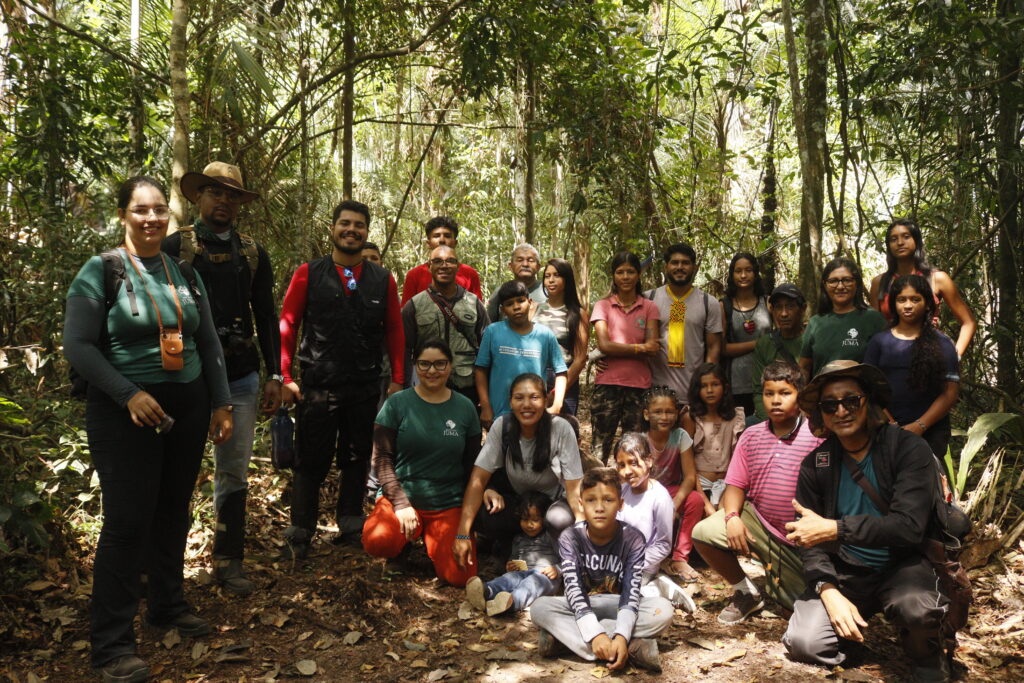
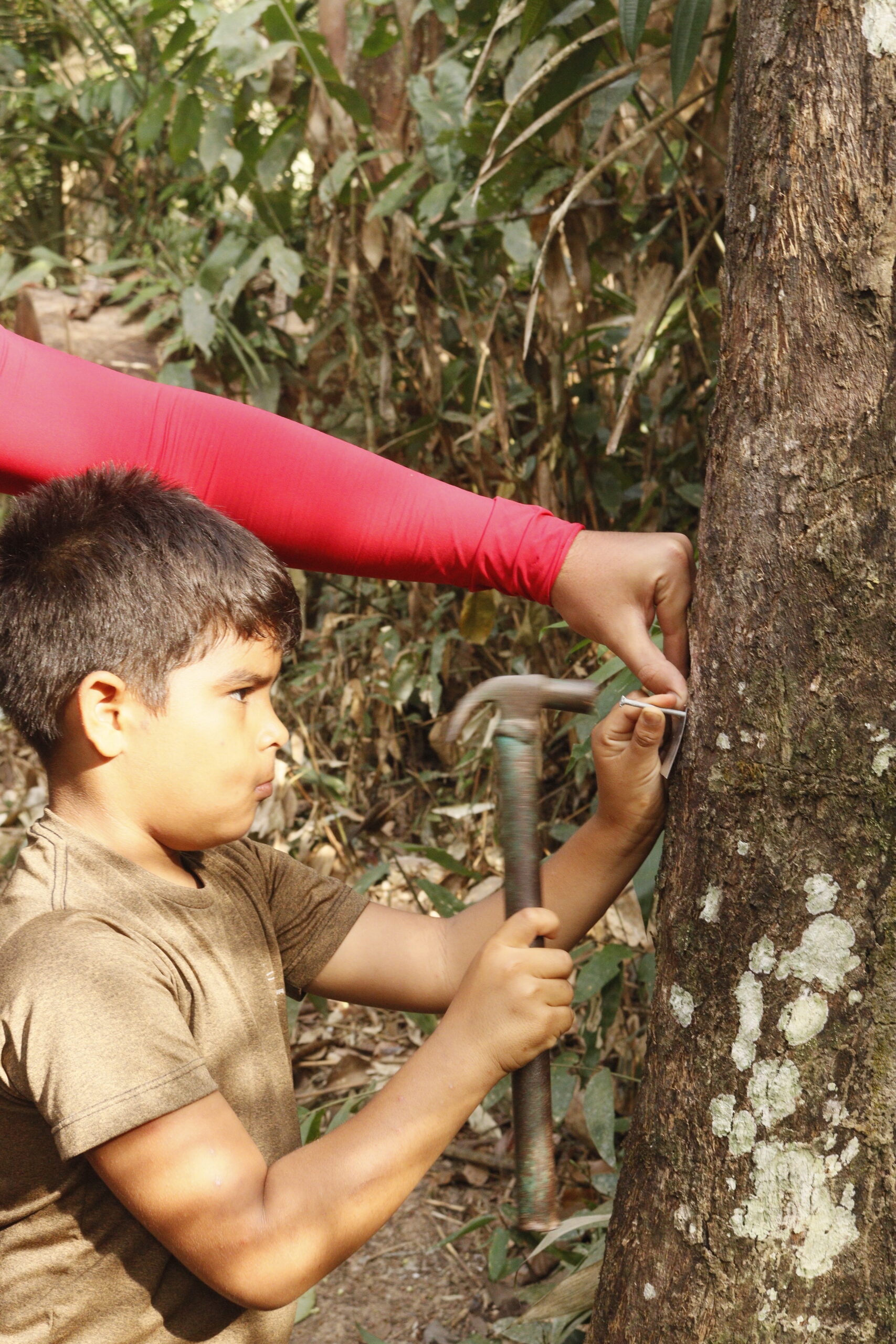
Throughout the route, children, youth, and adults had the opportunity to learn about native species essential for maintaining health and the forest’s balance. This experience fostered learning about the identification, mapping, and traditional uses of medicinal plants, strengthening the community’s relationship with the environment that sustains it. By valuing ancestral knowledge and combining it with conservation practices, the project also directly contributes to biodiversity protection. Through a deeper understanding of the species’ value, the community learns to care for them consciously, avoiding predatory exploitation, encouraging sustainable management, and ensuring that these natural resources remain available for future generations.
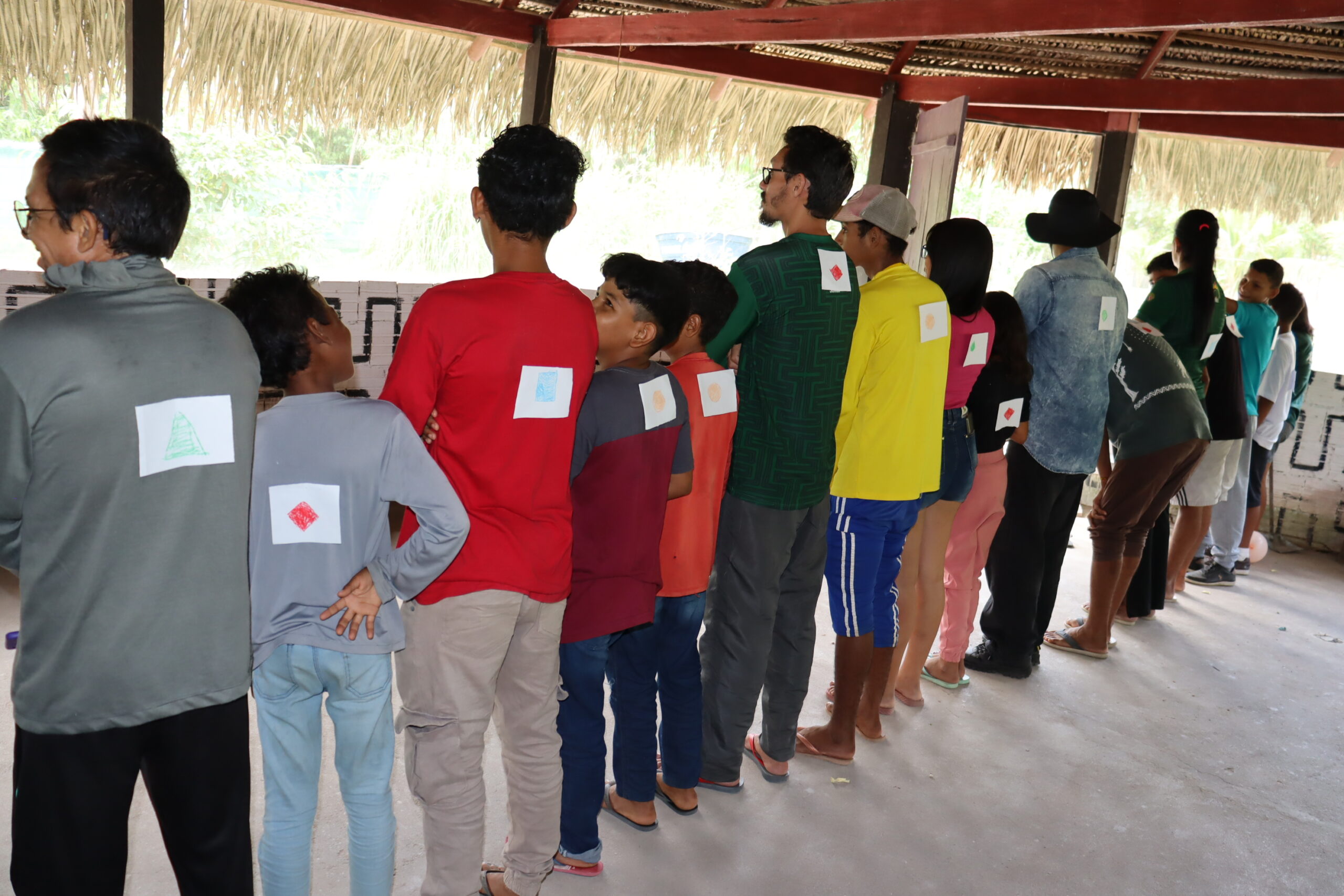
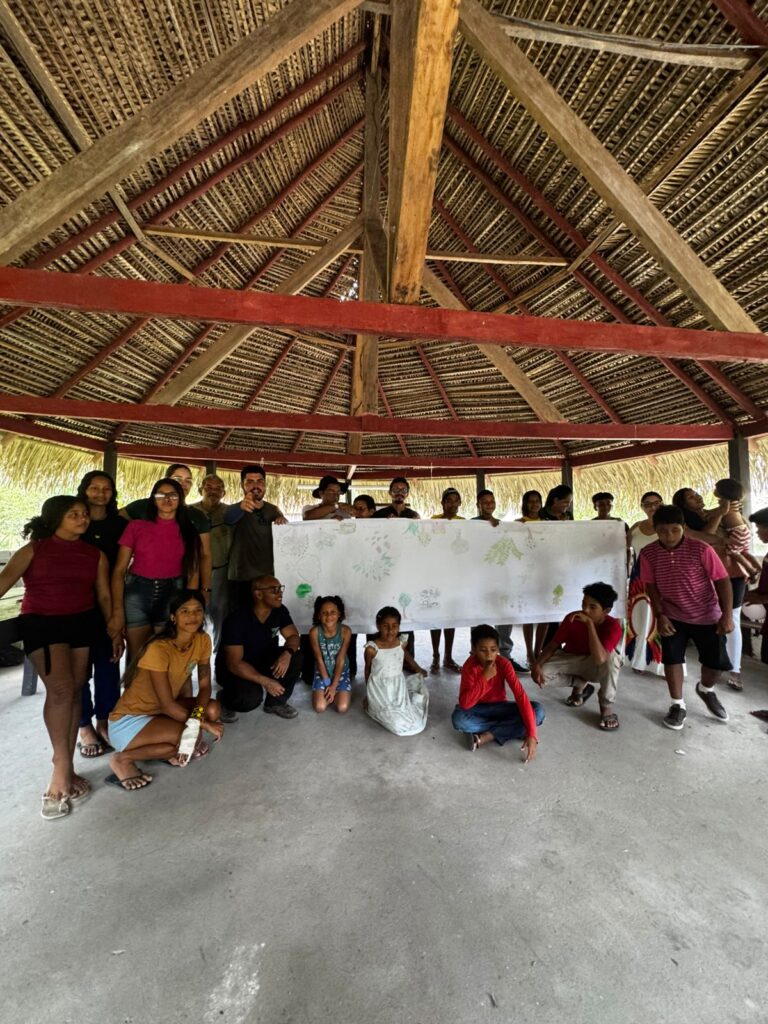
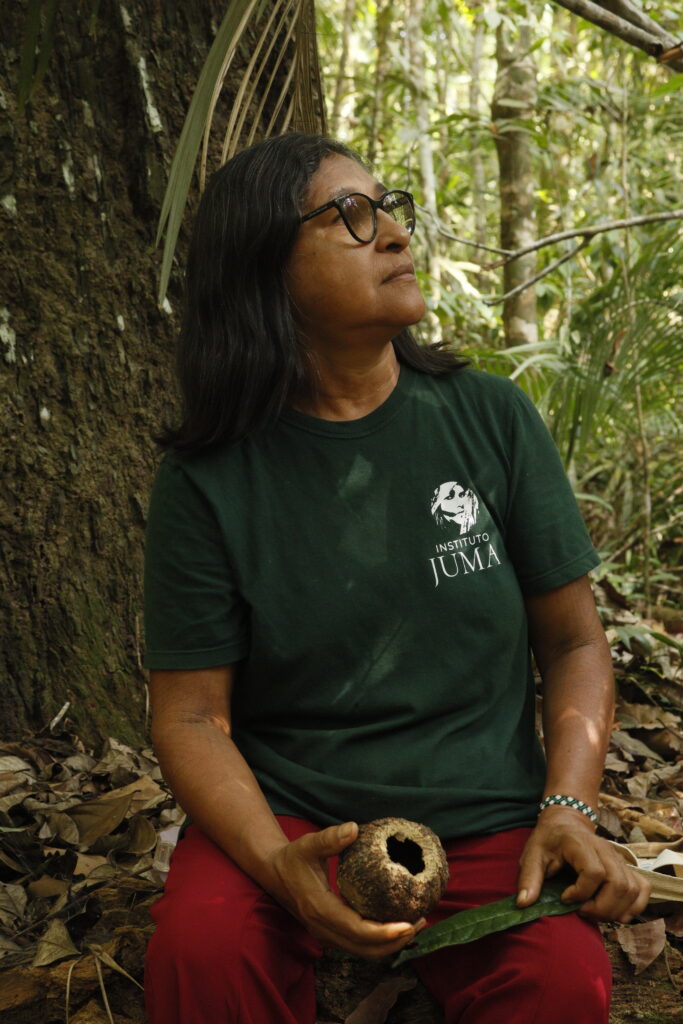
The activity is part of the “Ipá-Supá” Herbal Medicine House project, which aims not only to produce natural remedies from plants collected and cultivated in the village but also to promote knowledge exchange and preserve traditional culture based on healing through the forest. “Ipá-Supá” is an initiative of the Juma Institute, inspired by the dream of the elder and Indigenous leader Maria Lúcia Xipaya to work with medicinal plants and share the knowledge gathered throughout her life. “Every step we take from here on is one of fulfillment and happiness for me” said Dona Lúcia, as she welcomed family and friends during the workshop.
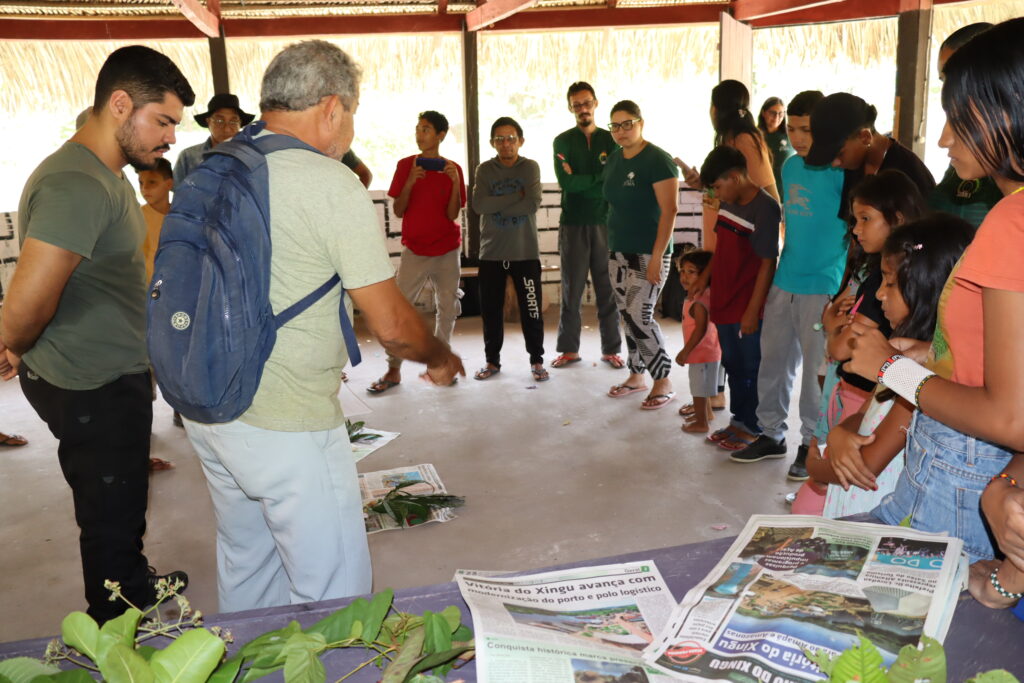
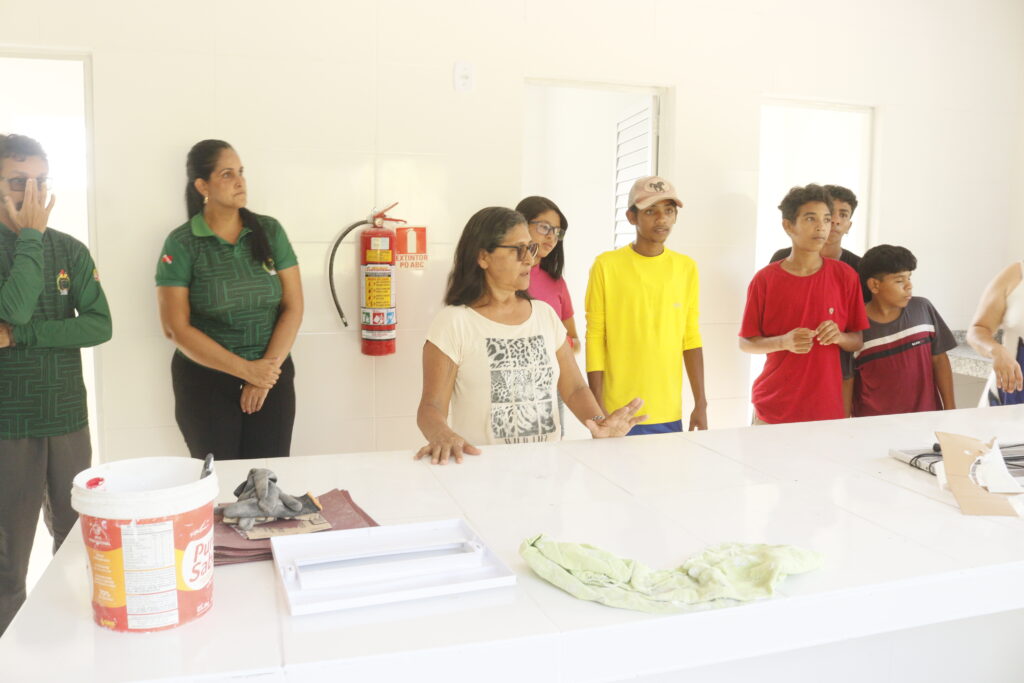
For the implementation of the “Ipá-Supá” activities, the Juma Institute counts on the support of Age of Union, a partner organization that shares the same principles: the protection of nature, the strengthening of autonomy, and the appreciation of traditional communities as key actors in forest preservation. We acknowledge and thank this trusted partnership, which has enabled tangible results and contributed to the sustainable development of the community.
In addition, to make the activity possible, between September 10 and 25, 2025, members of Kaarimã Village carried out the cleaning of the ecological trail— an essential task both for providing raw materials for the manufacture of herbal medicines and for promoting environmental education. We express our special thanks to Tayewa Xipaya for leading the organization of the activity and to everyone involved, whose dedication made this action possible.
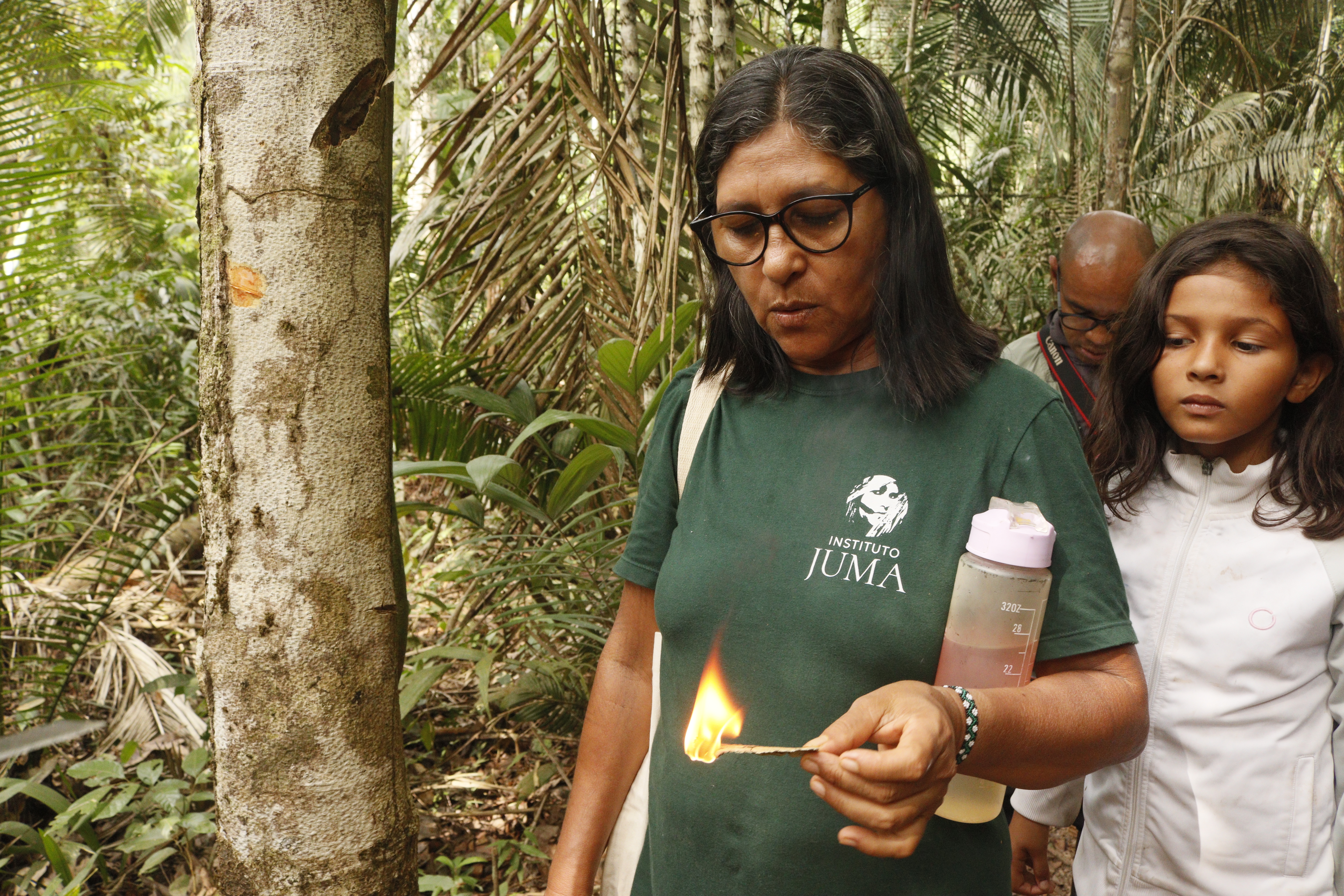
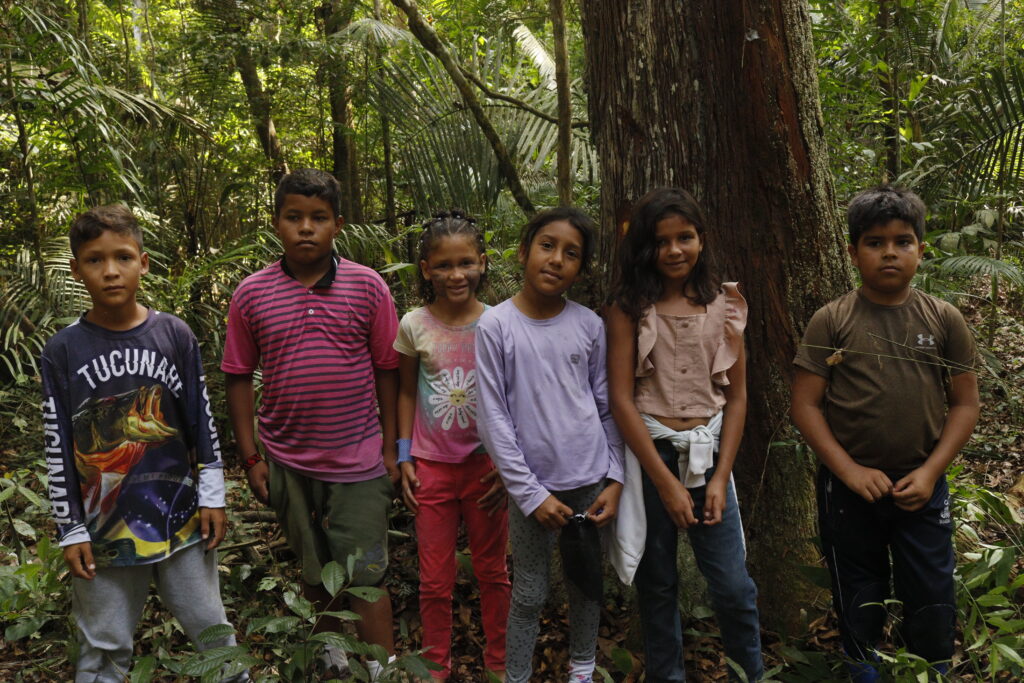
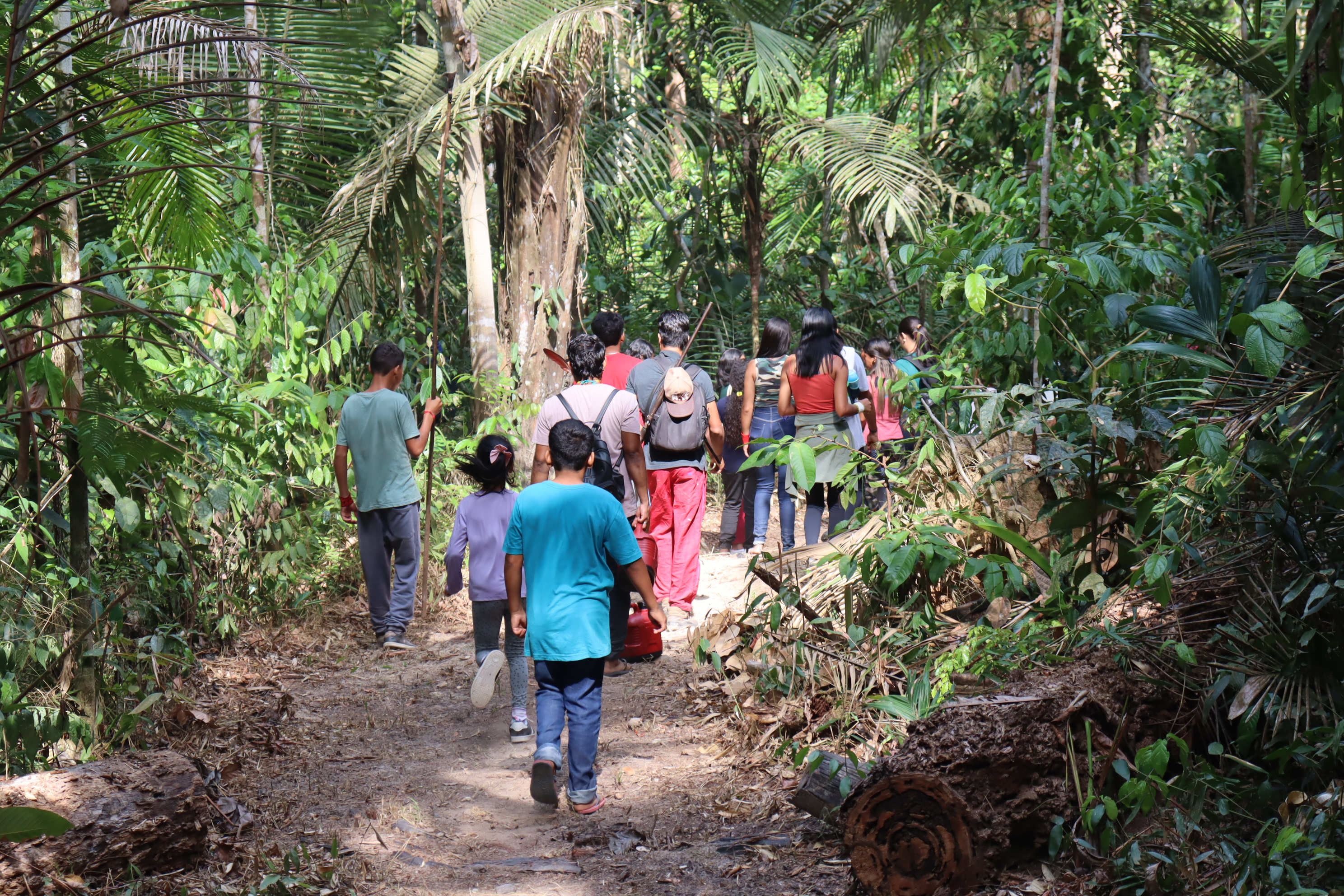
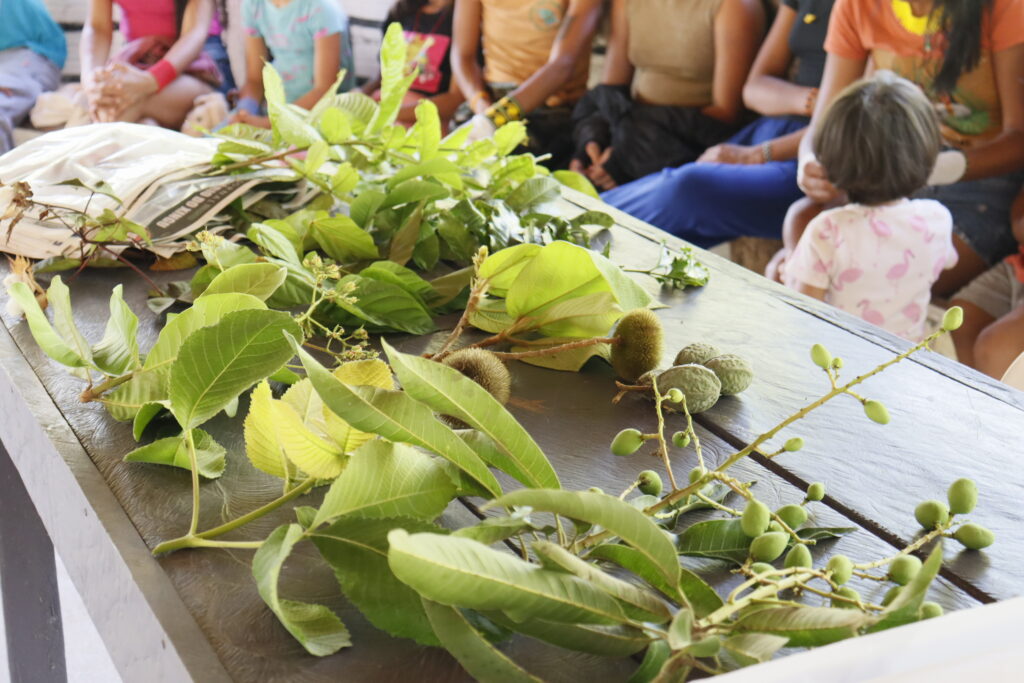
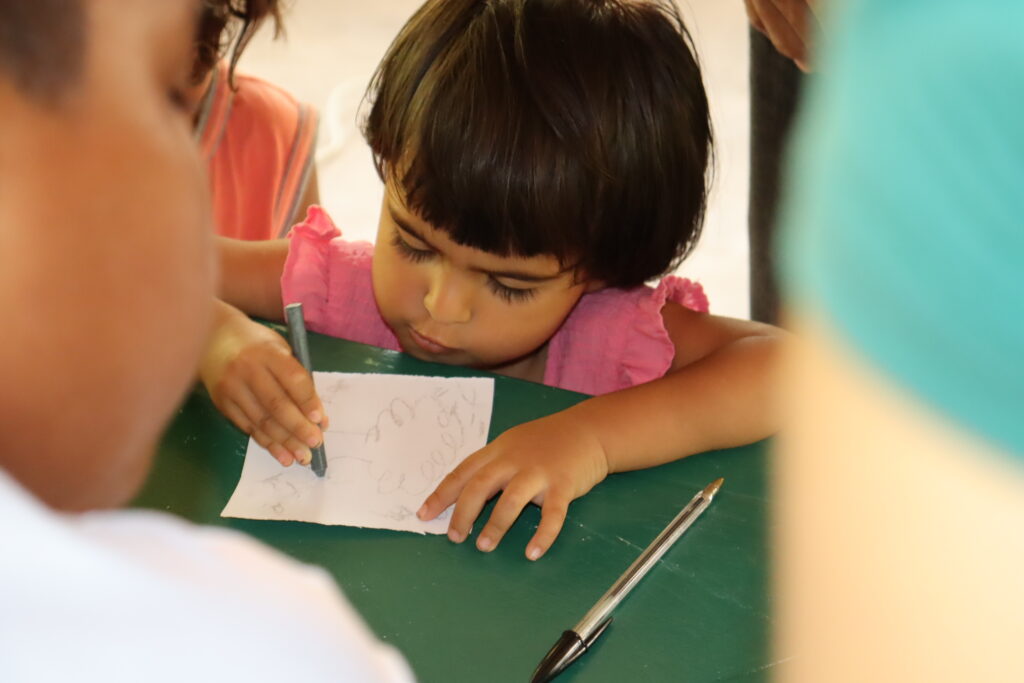
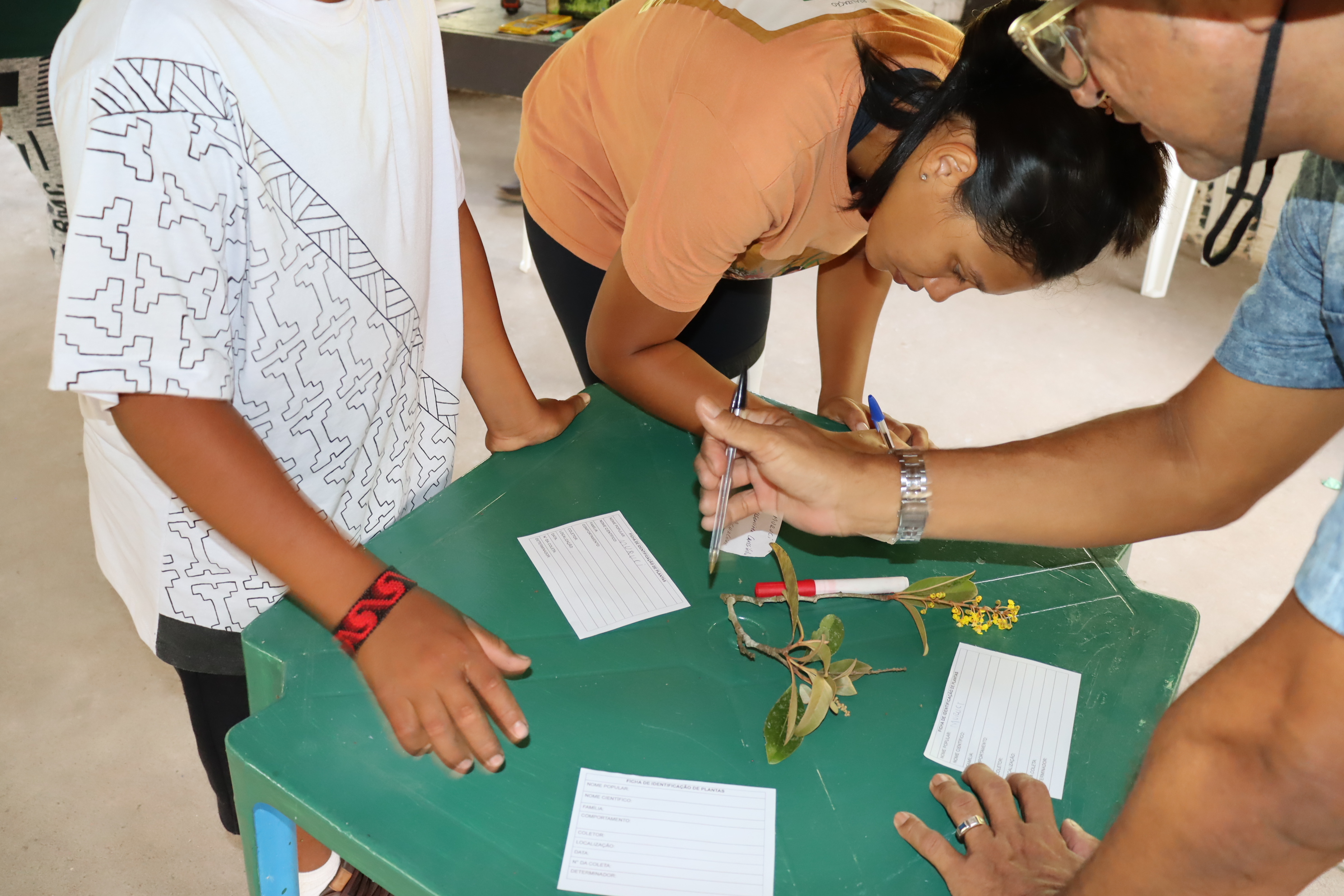
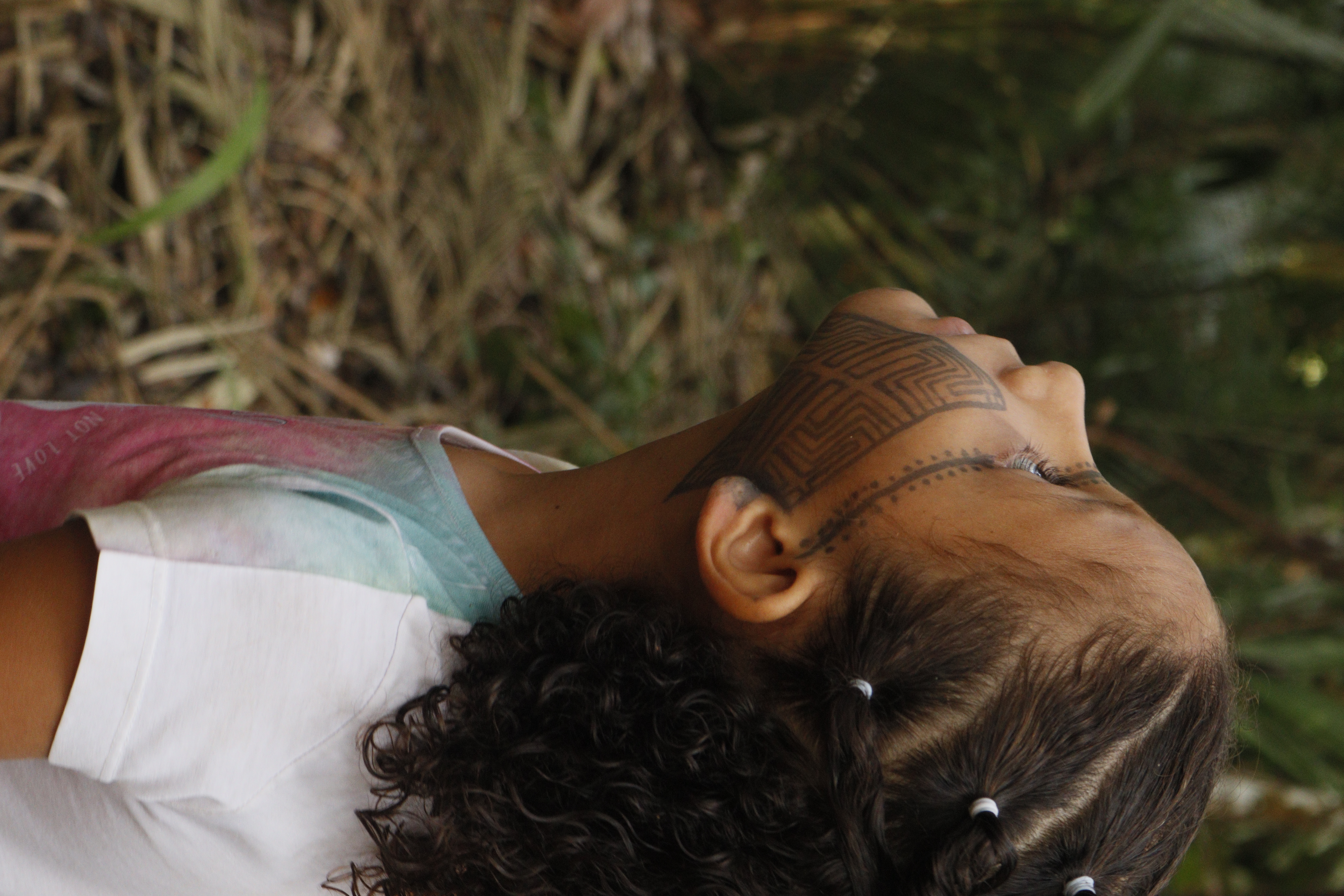
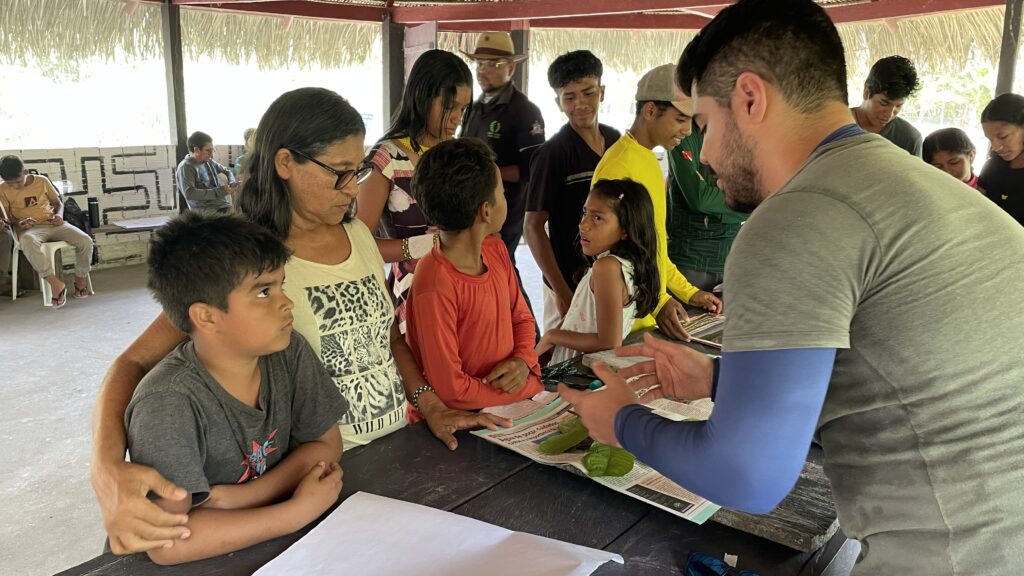
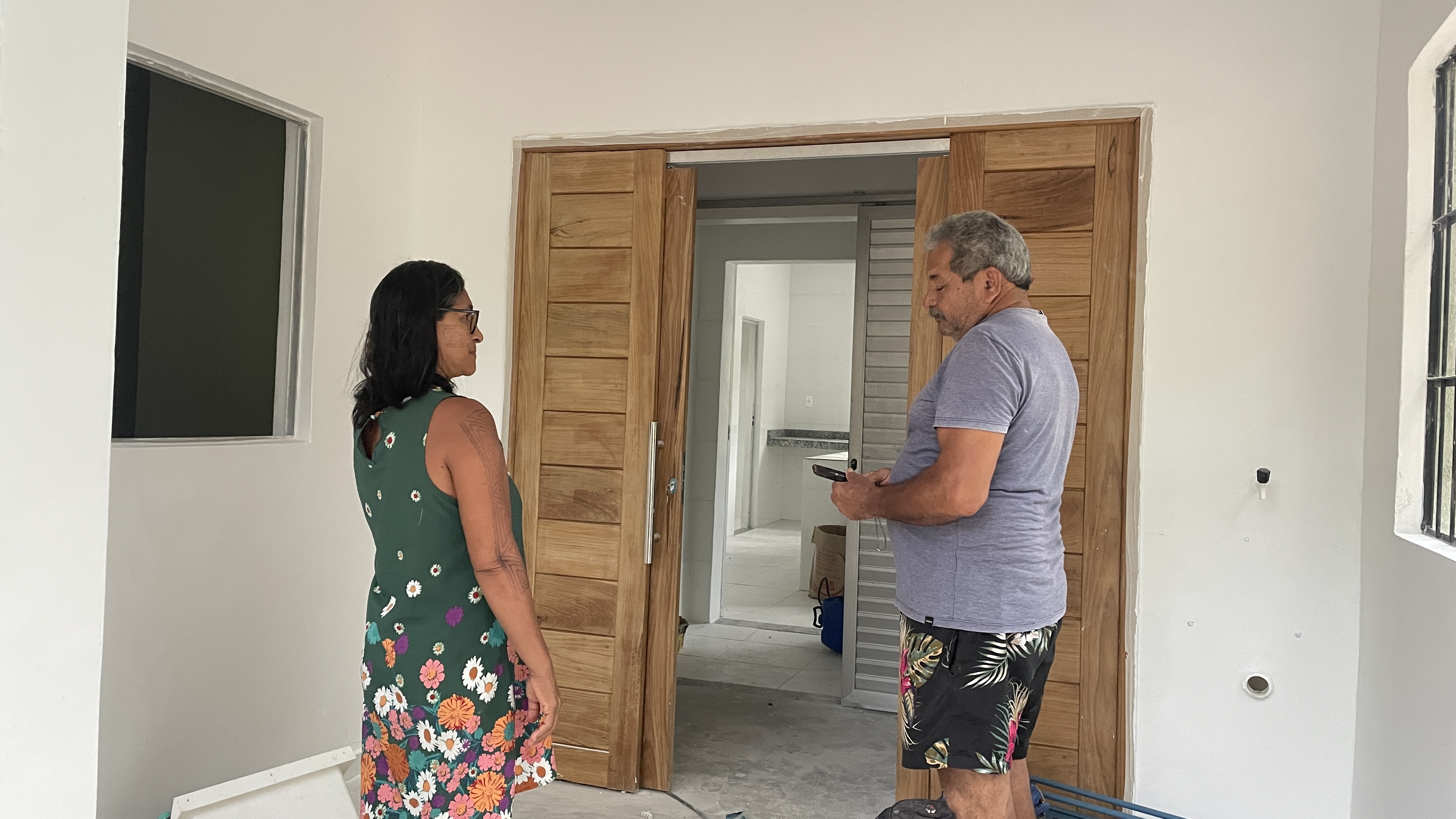
We dedicate this record of medicinal plant recognition to our dear Jane Goodall, whom we recently said goodbye to. During her visit to Kaarimã Village, Jane walked the ecological trail and admired some of the riches that the Xipaya Indigenous Territory protects. This is also a way to keep her memory alive!
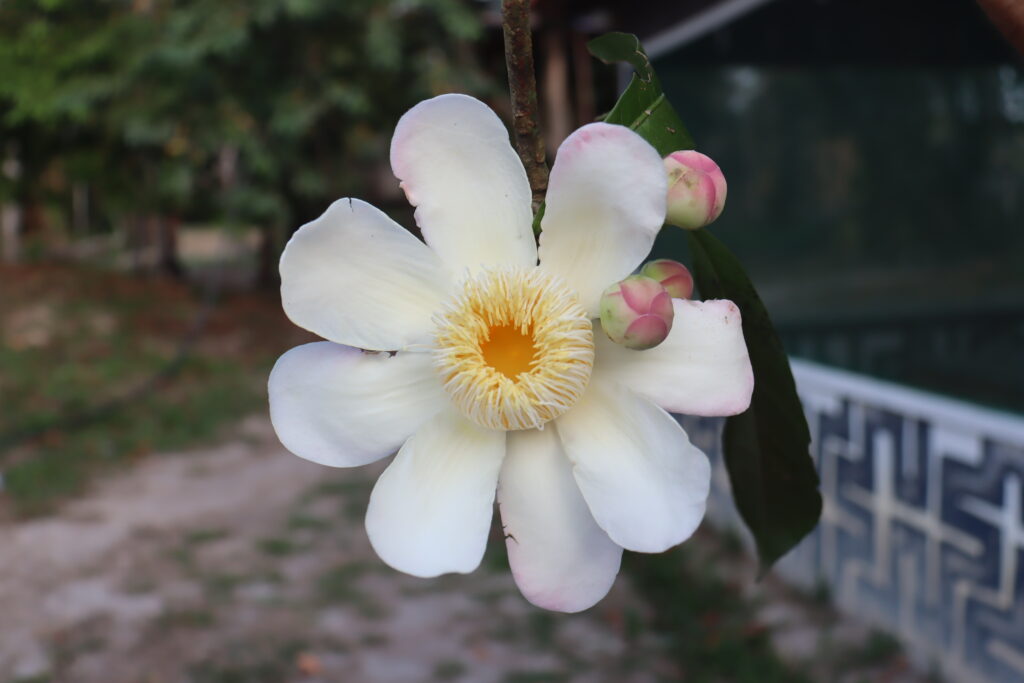
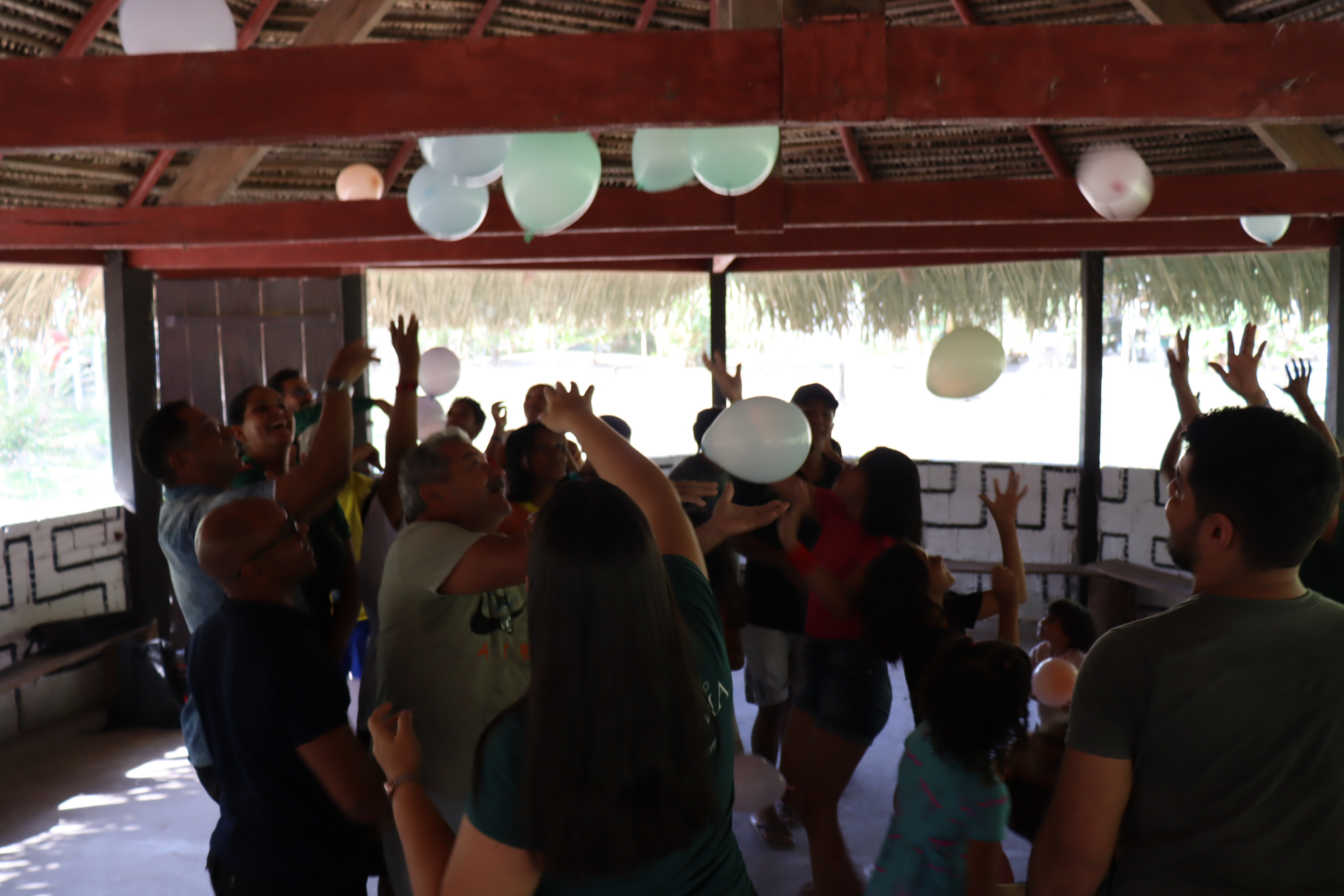
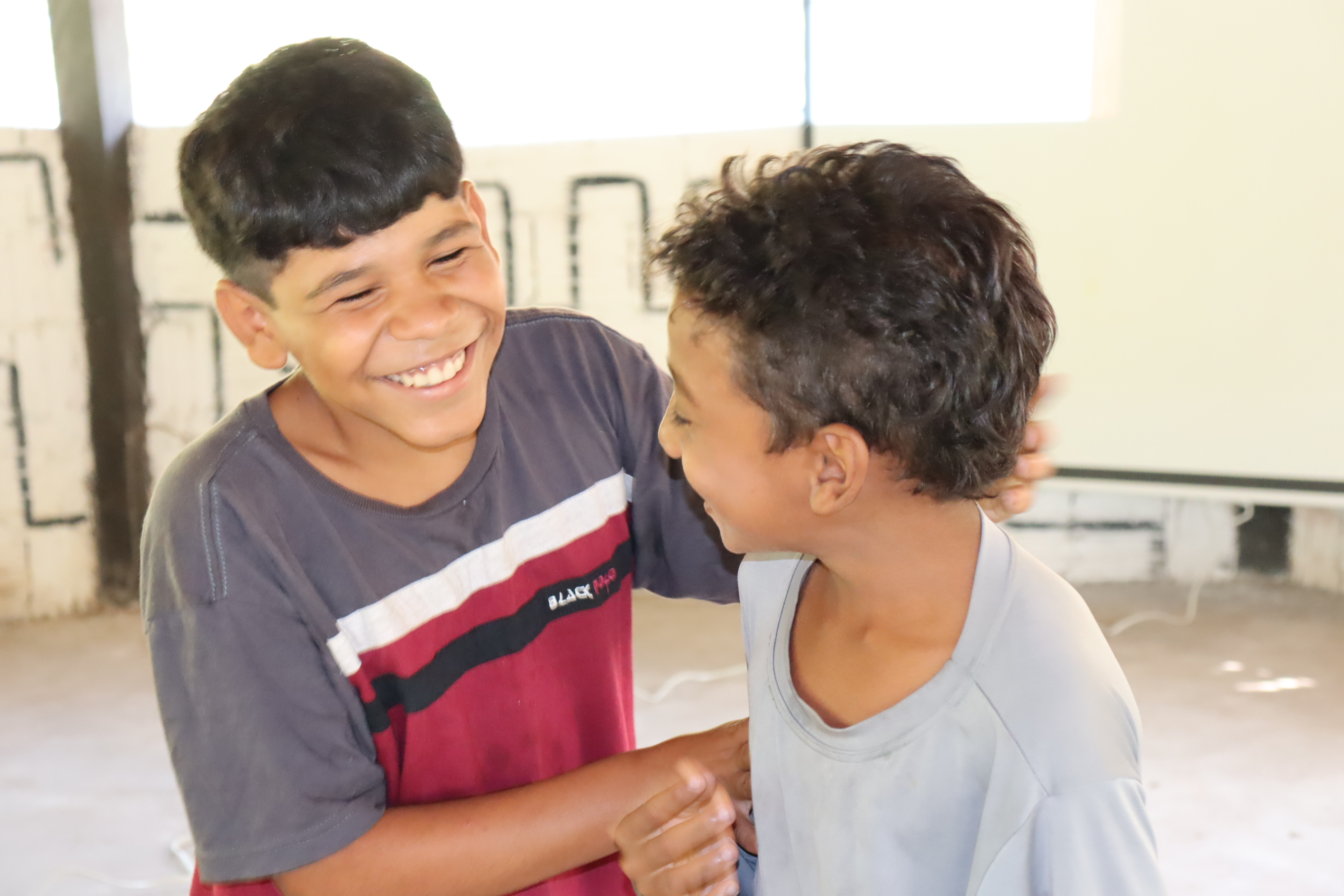
Photos: Yjapyka Xipaia and Yãkyrixi Xipaia, young communicators from the Tukamã village, Xipaya Indigenous Territory.