
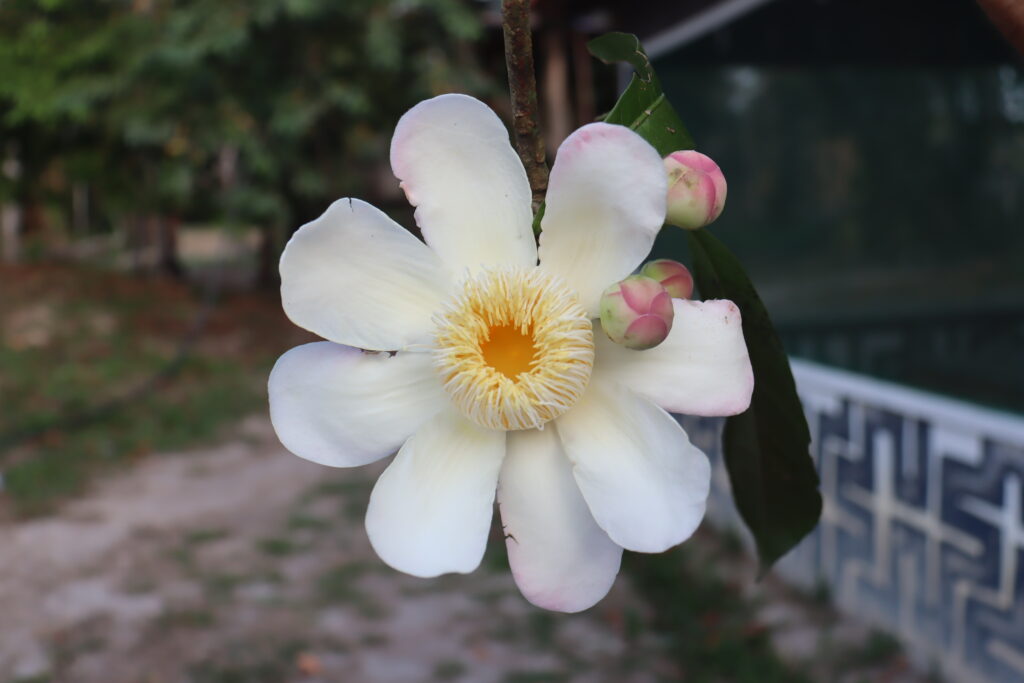
Celebrated on March 3, World Wildlife Day highlights a different theme each year, inviting reflection and action in defense of biodiversity. In 2026, the theme is “Medicinal and Aromatic Plants: Conserving Health, Heritage, and Livelihoods“.
The campaign emphasizes the fundamental role of medicinal and aromatic plants in human health and well-being, as well as their importance for ecosystem balance and the preservation of traditional ways of life in many parts of the world. Despite their historical, cultural, and ecological value, many of these species face growing threats such as habitat loss, overexploitation, and illegal trade. Currently, more than 20% of medicinal and aromatic plant species used globally are considered threatened with extinction according to the IUCN Red List, making their conservation a global priority (CITES, 2025).
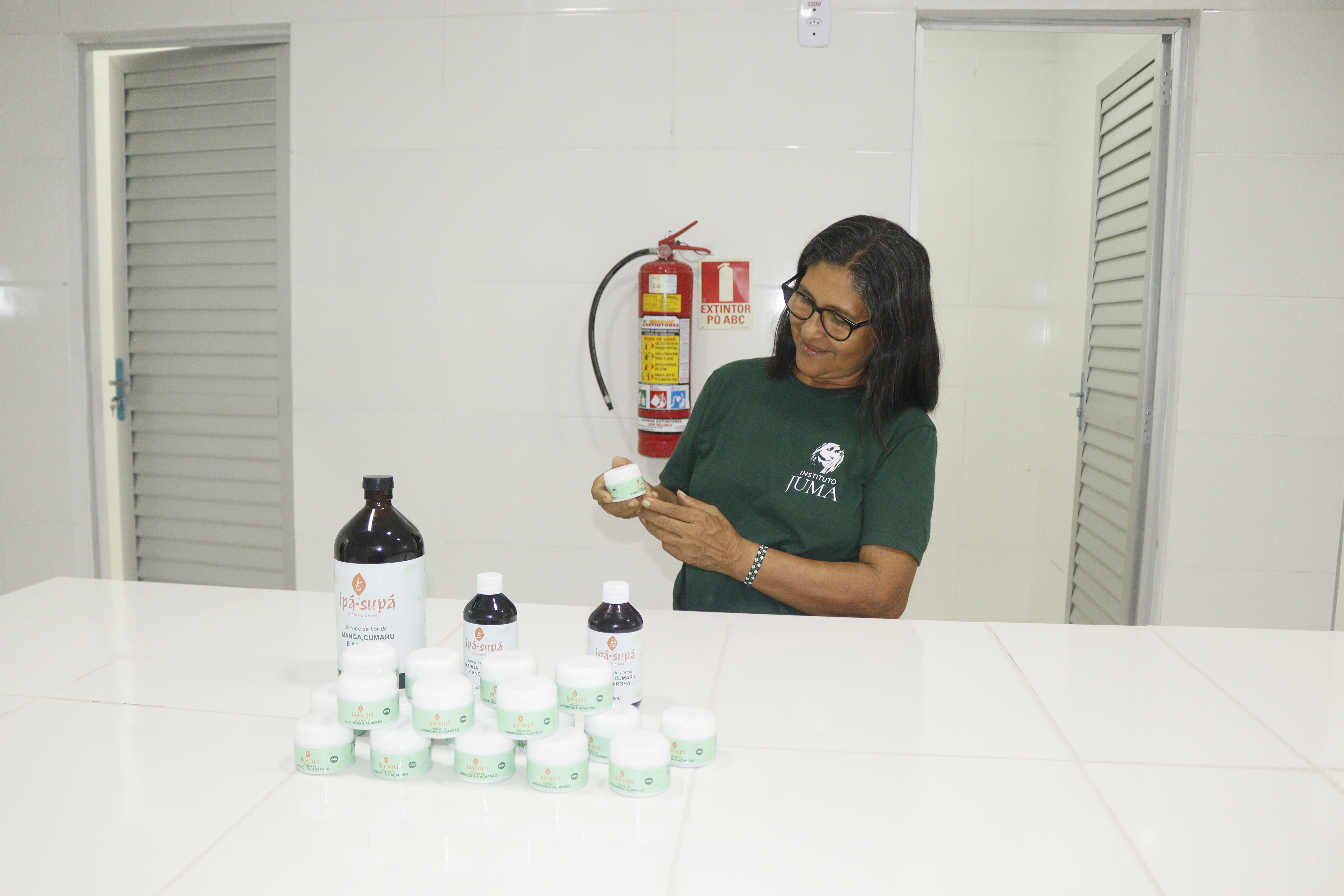
One of the main objectives of the Juma Institute is to strengthen Indigenous traditional medicine, recognizing it as a living and essential heritage for biodiversity conservation. In a context of increasing disease, aggravated by growing external interference, the “Ipá-Supá” was created. It operates not only as a laboratory for the production of natural medicines, but also as a space for knowledge exchange, community training, and the appreciation of traditional knowledge.
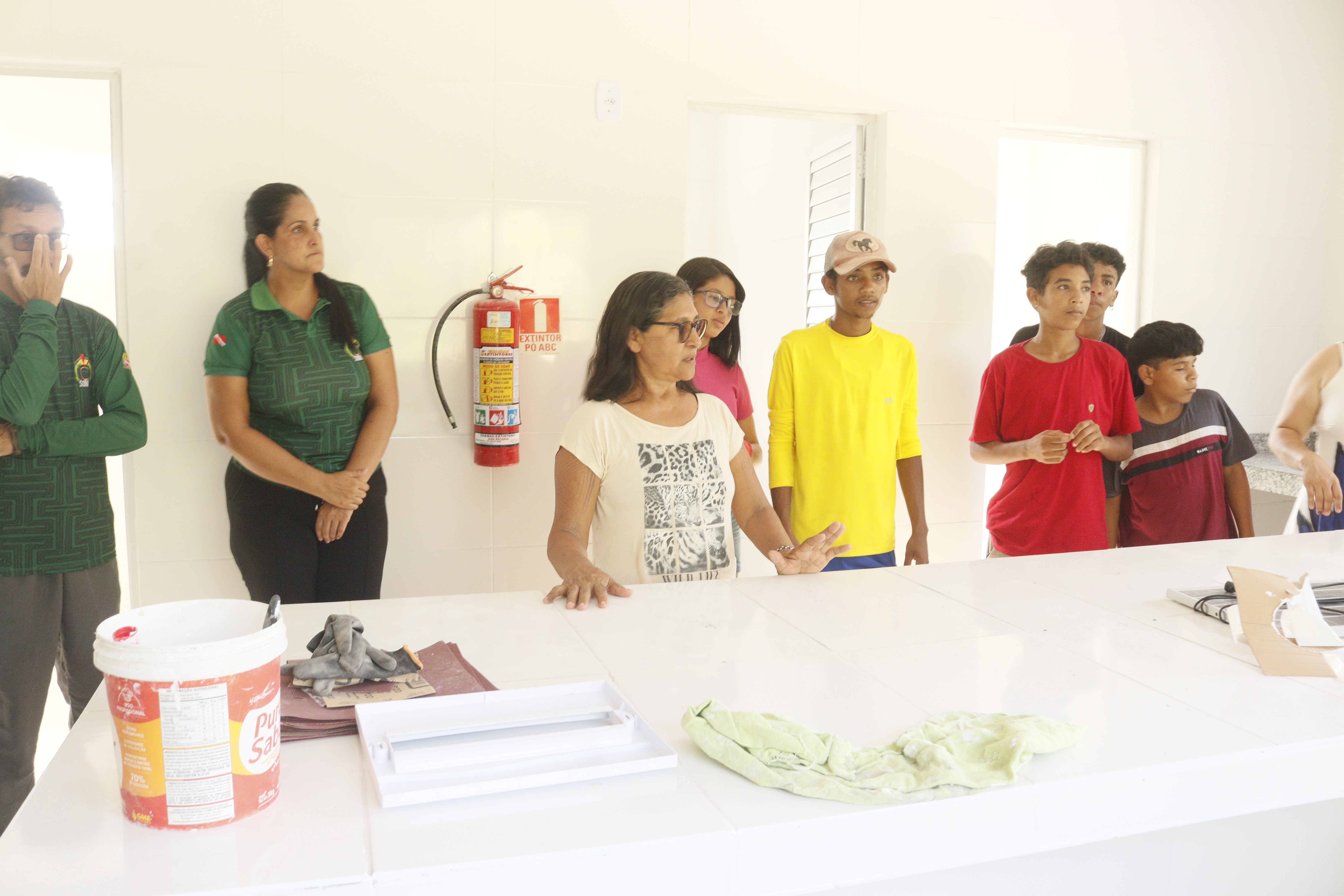
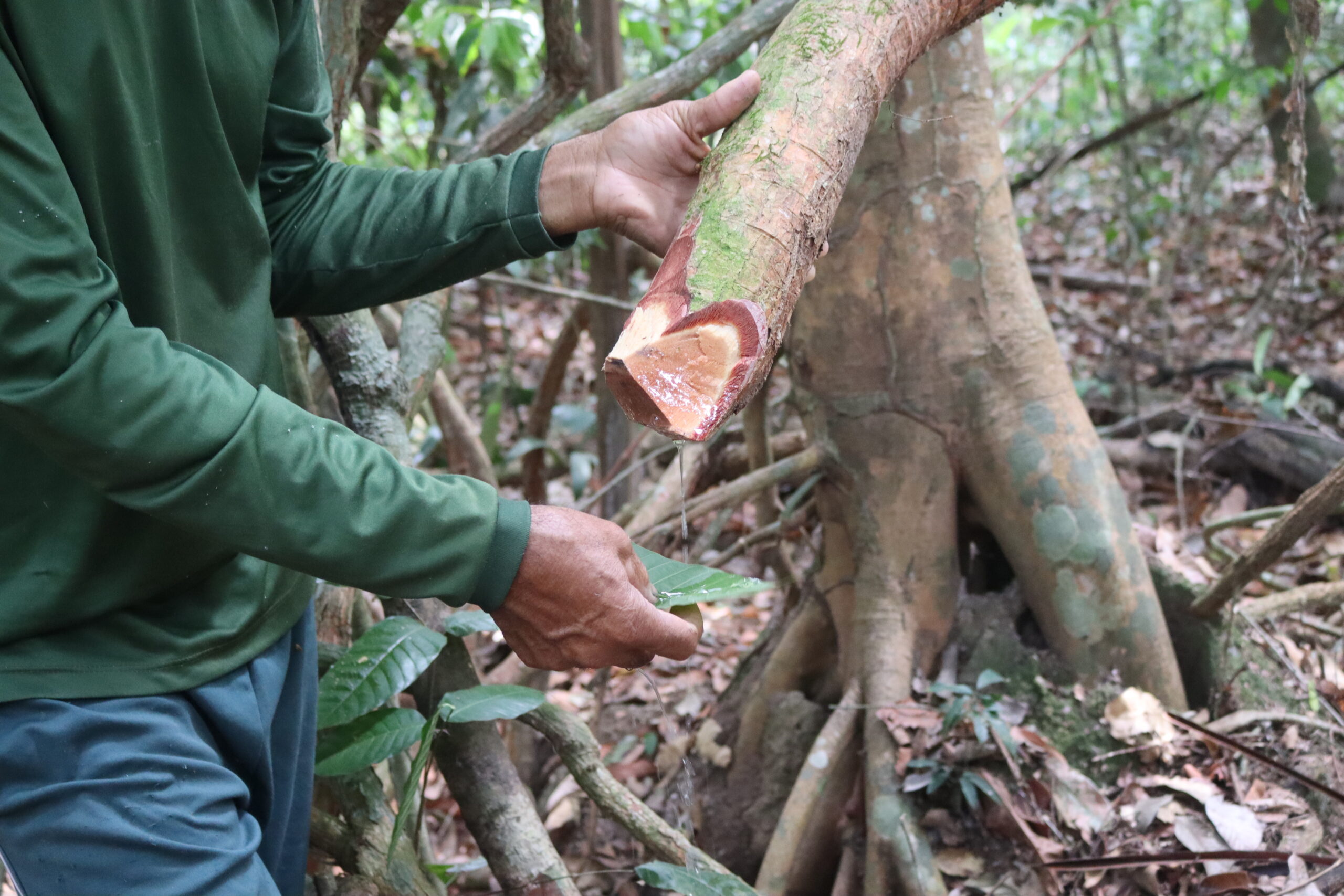
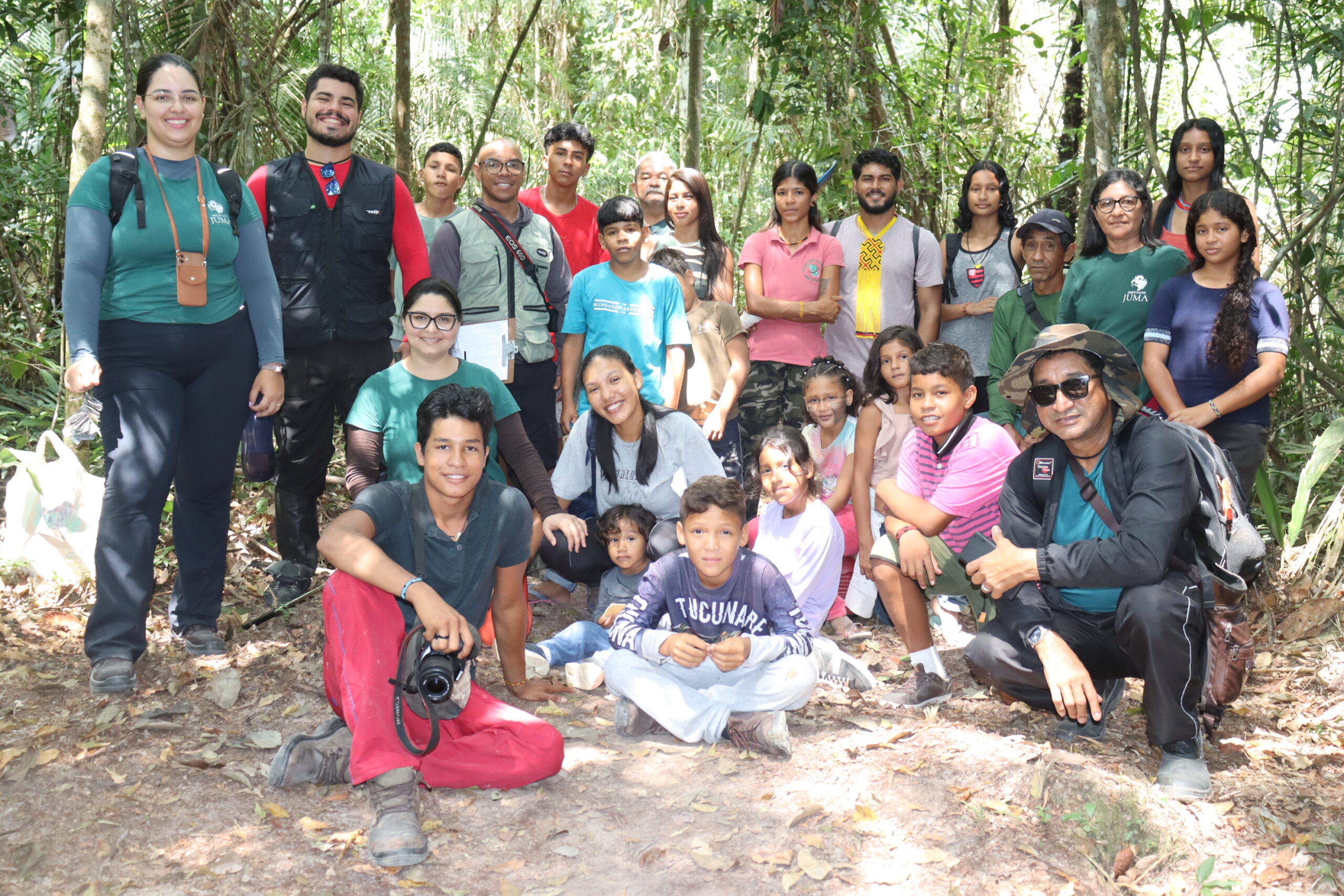
A long-held dream of the elder Maria Lúcia Xipaya, Ipá-Supá has already hosted gatherings focused on the identification of medicinal plants, the use of natural resources, and the intergenerational transmission of knowledge. The project includes the construction of a facility for producing natural phytotherapeutic medicines, using medicinal herbs cultivated and collected within the village itself, as well as tree bark and sap extracted from the rich biodiversity of the surrounding forest. In addition to serving this important initiative, the space will also function as a meeting point for the transmission of ancestral knowledge.
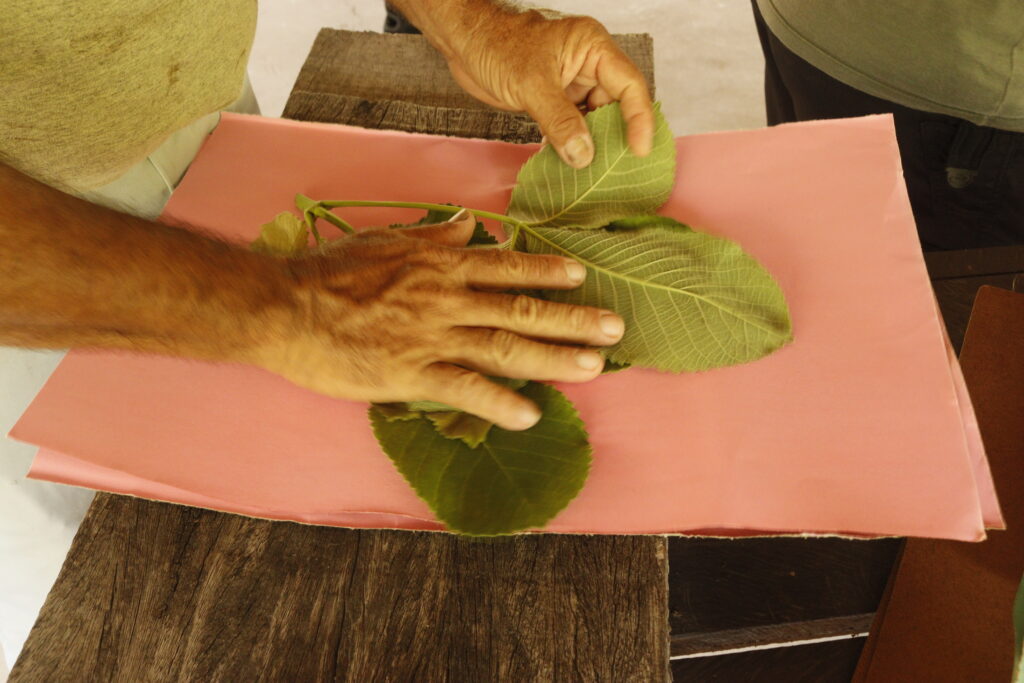
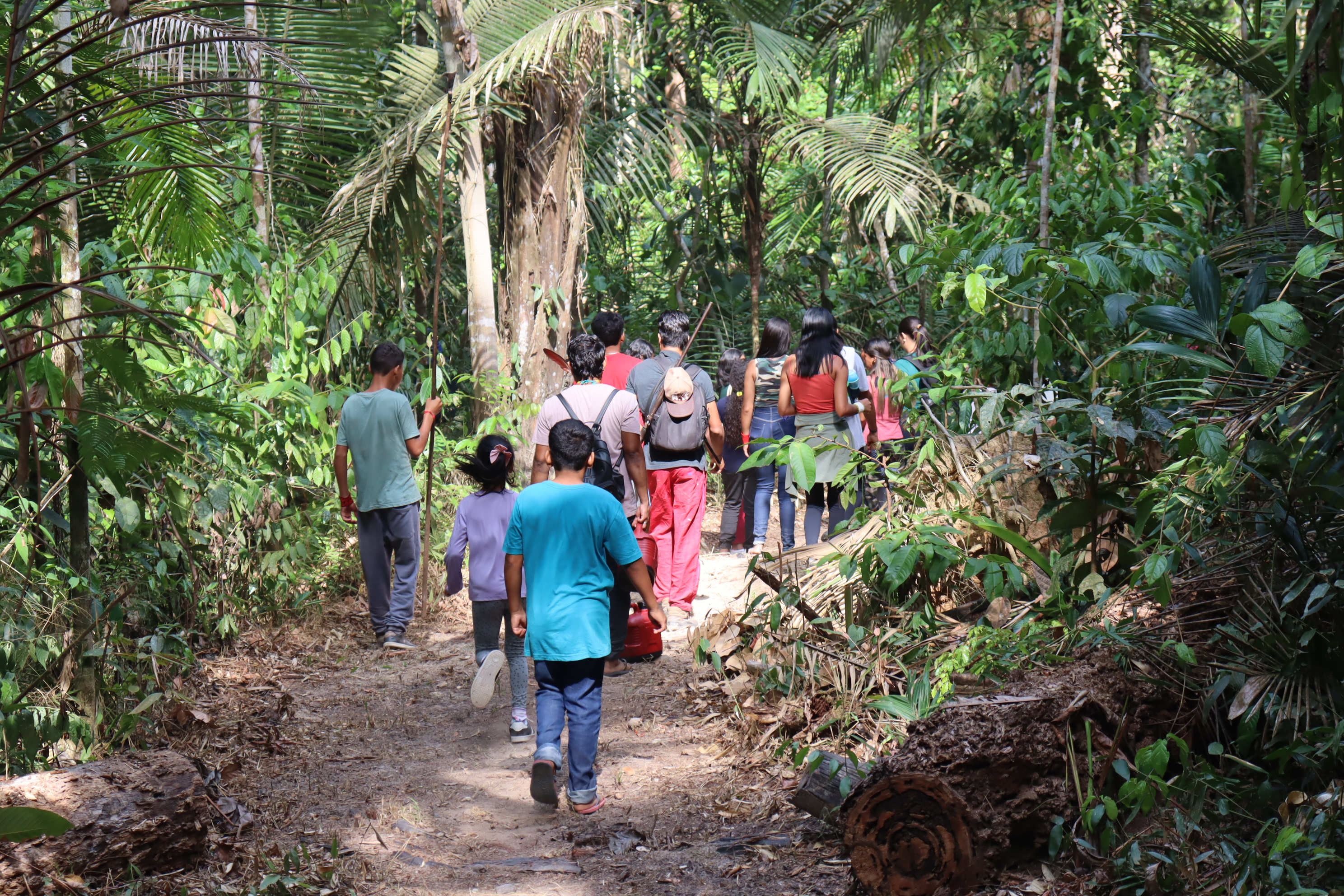
The project also includes the “Jane Goodall Trail”, a pathway that hosts several species with medicinal and aromatic potential, including trees that provide healing bark and sap. More than an environmental education space, the trail pays tribute to Jane Goodall, one of the world’s leading figures in wildlife conservation, whose life and work inspire care, respect, and harmonious coexistence between human beings and nature, values we continue to cultivate with deep admiration and affection.
Reference:
CITES. World Wildlife Day 2026 theme: Medicinal and Aromatic Plants. Geneva: CITES Secretariat, 2025. Available at: https://cites.org/eng/news/pr/world-wildlife-day-2026-theme-medicinal-aromatic-plants
Read more about Ipá-Supá:
Identification of medicinal plants – https://institutojuma.org/identification-of-medicinal-plants/
Ipá-Supá: healing from the forest – https://institutojuma.org/ipa-supa-healing-from-the-forest/