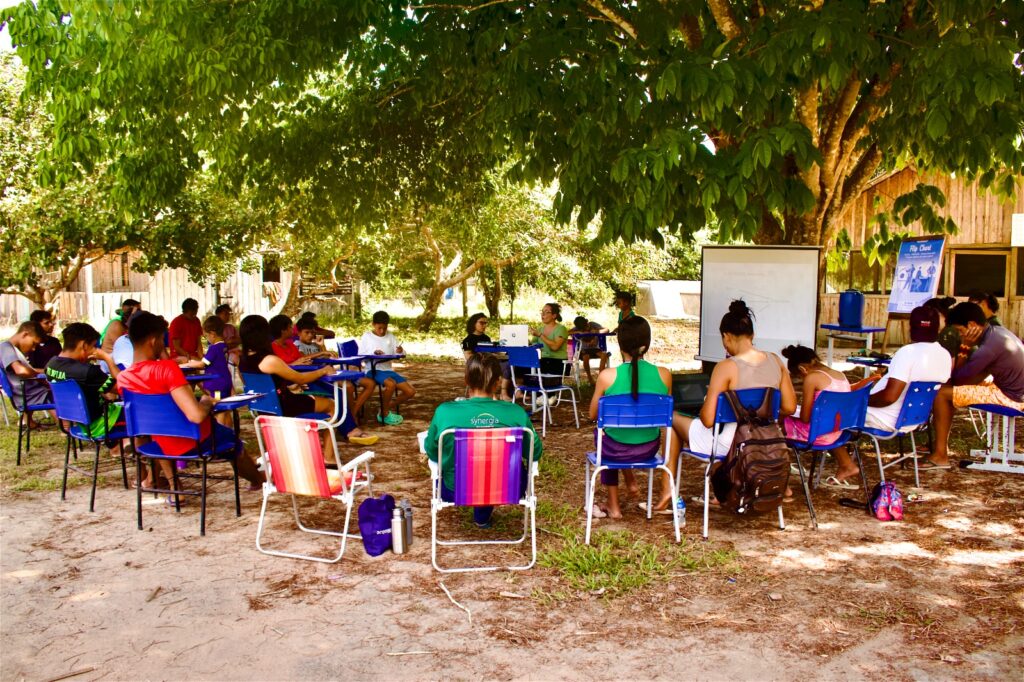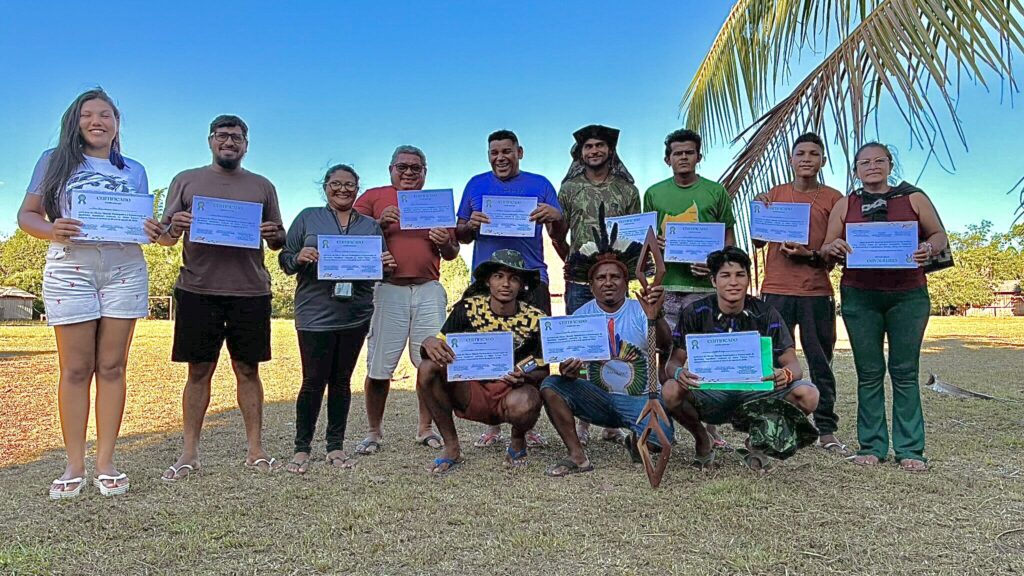
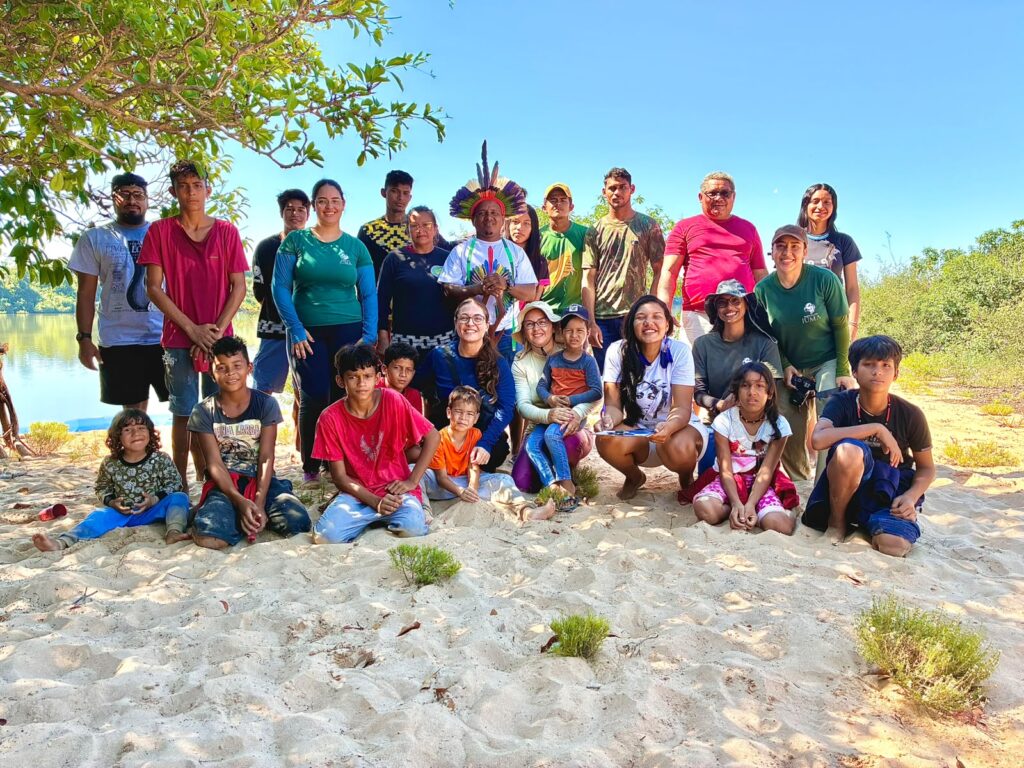
Between August 10 and 16, 2026, the Xipaya Indigenous Territory hosted the Workshop on Monitoring, Management, and Conservation of Amazonian Chelonians, held in the Tukayá village one of the six villages that make up the territory.
Located within the mosaic of protected areas known as Terra do Meio, the Xipaya Indigenous Territory encompasses approximately 179,000 hectares of native forest and is situated in a region of high ecological importance for the conservation of the Amazon.
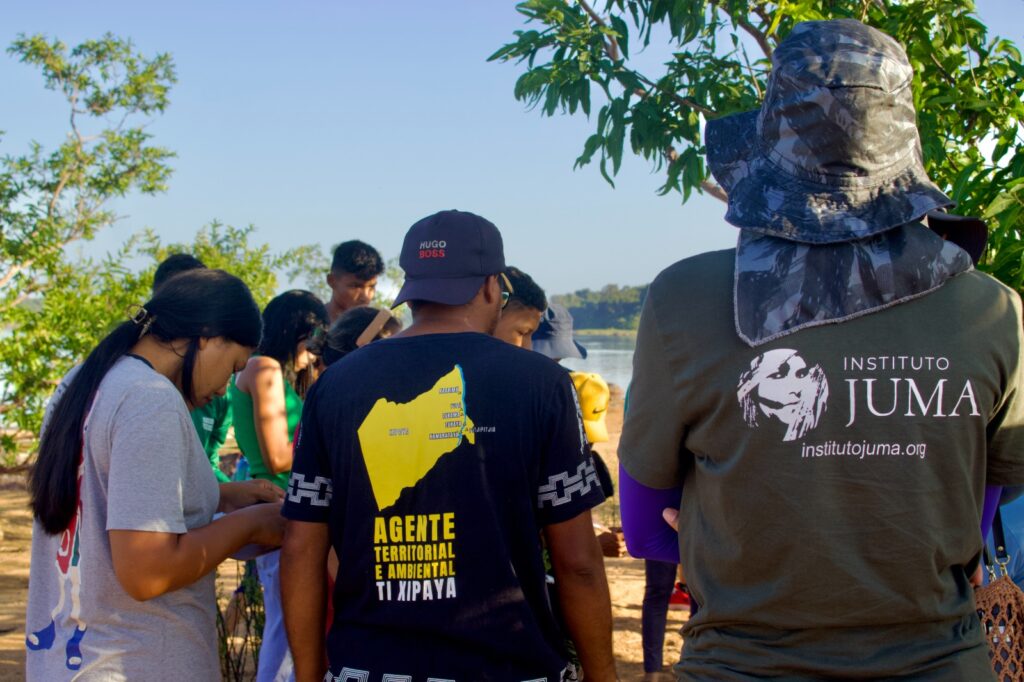
In this context, the Territorial Management of the Xipaya Indigenous Territory forms one of the fundamental pillars for the defense and conservation of the area. Composed of 17 Territorial and Environmental Agents, including 6 women, these agents work voluntarily directly in the protection of the territory, helping counter illegal activities, conduct environmental monitoring, and oversee territorial boundaries.
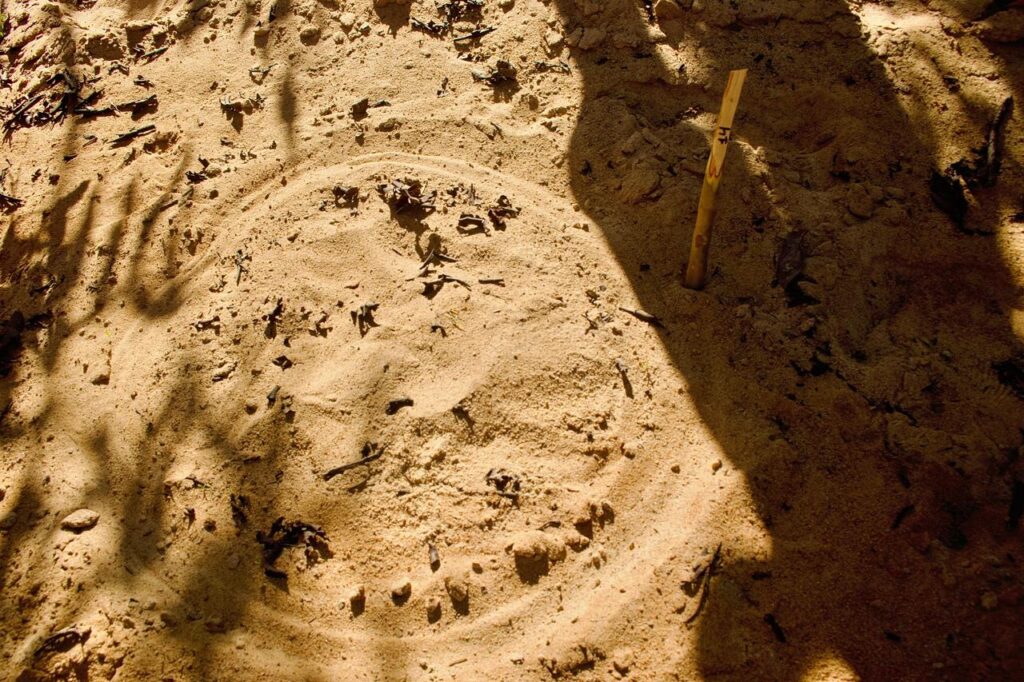
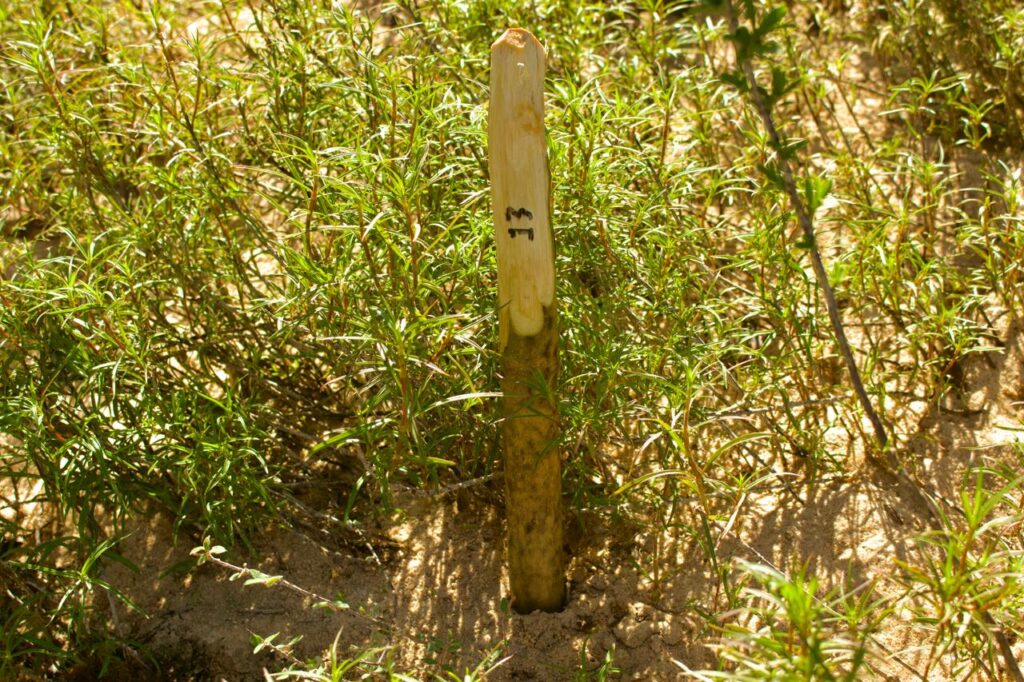
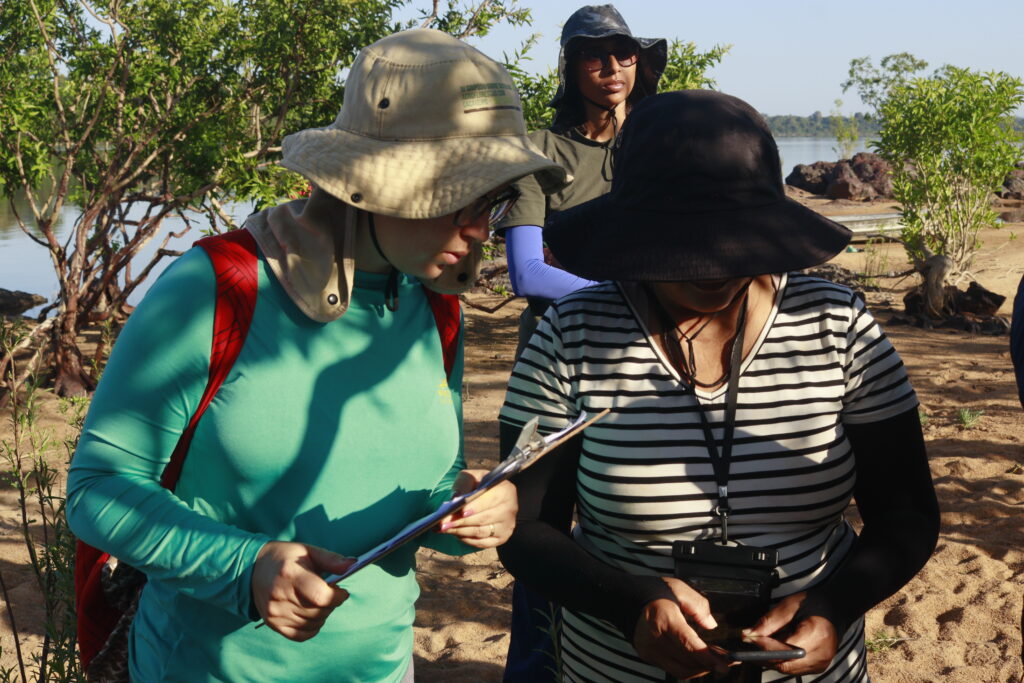
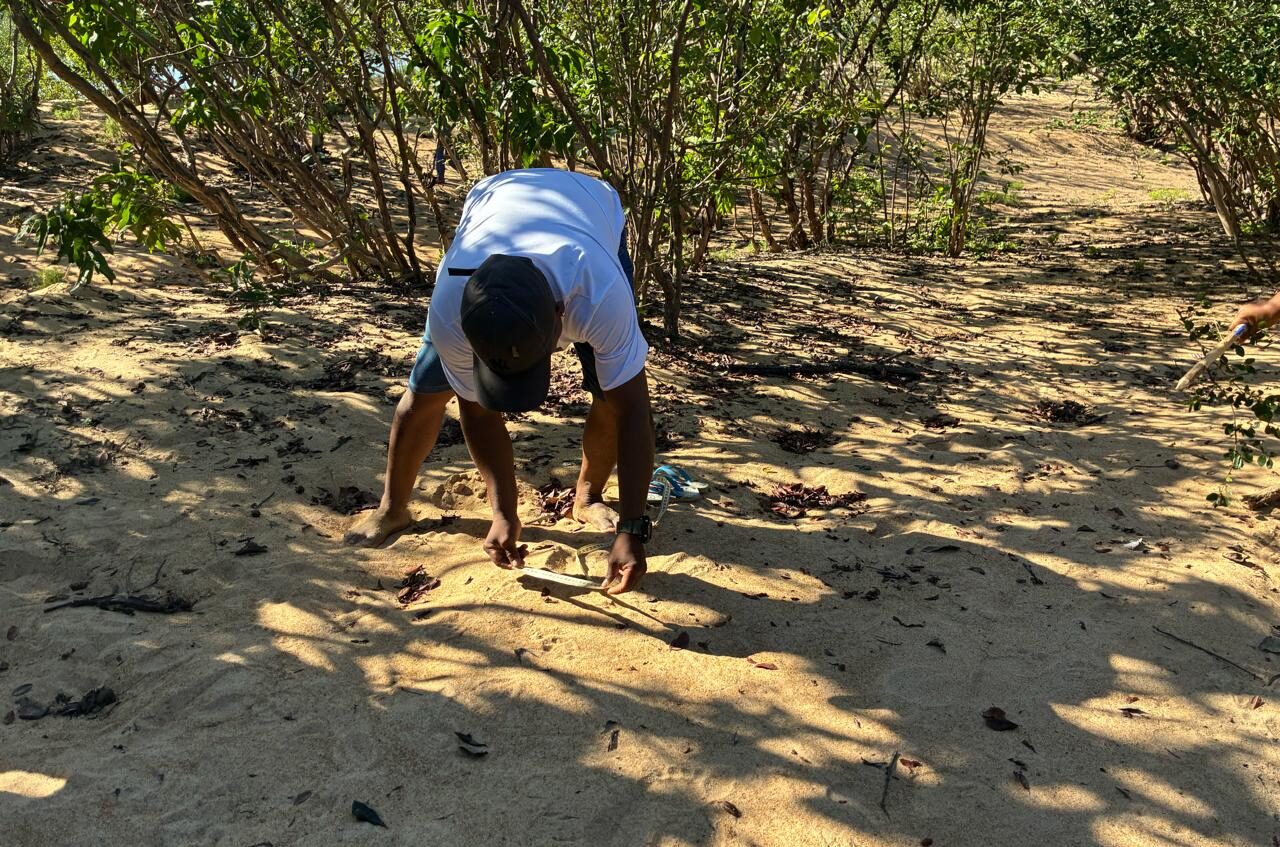
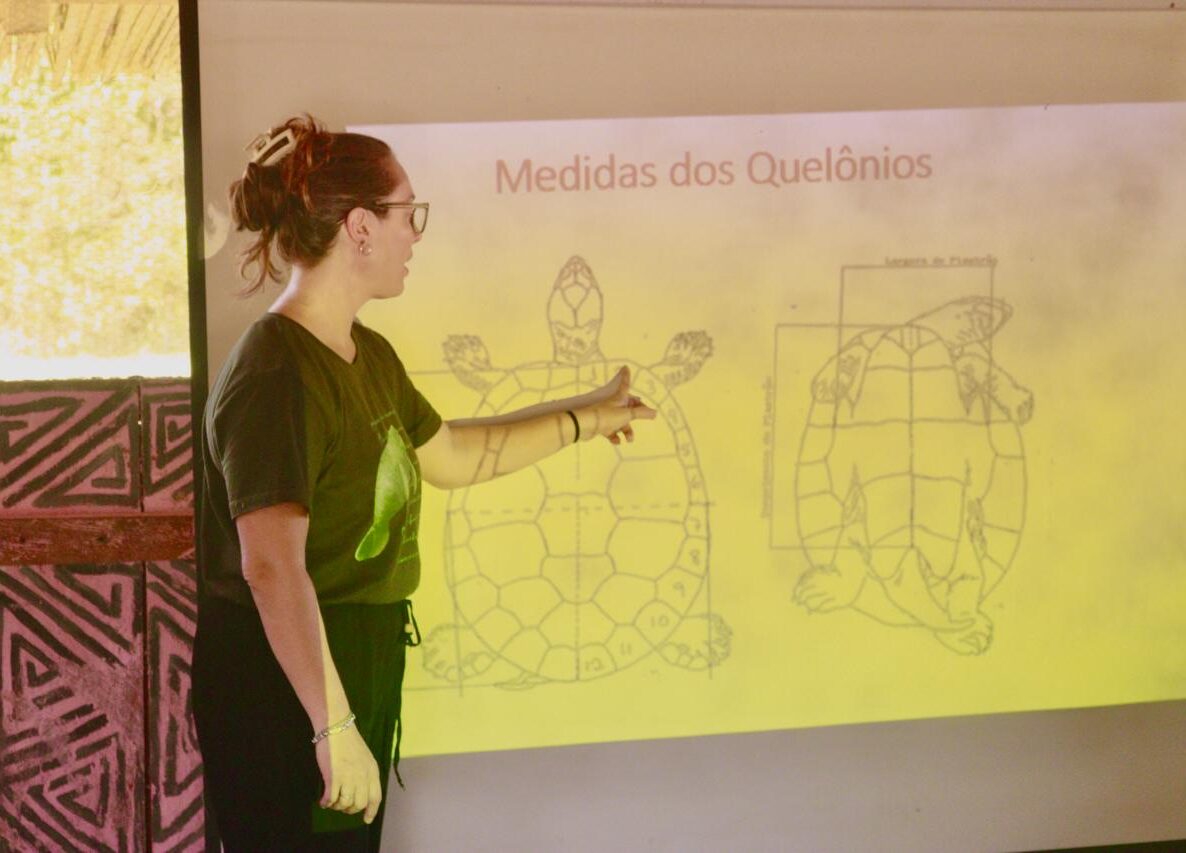
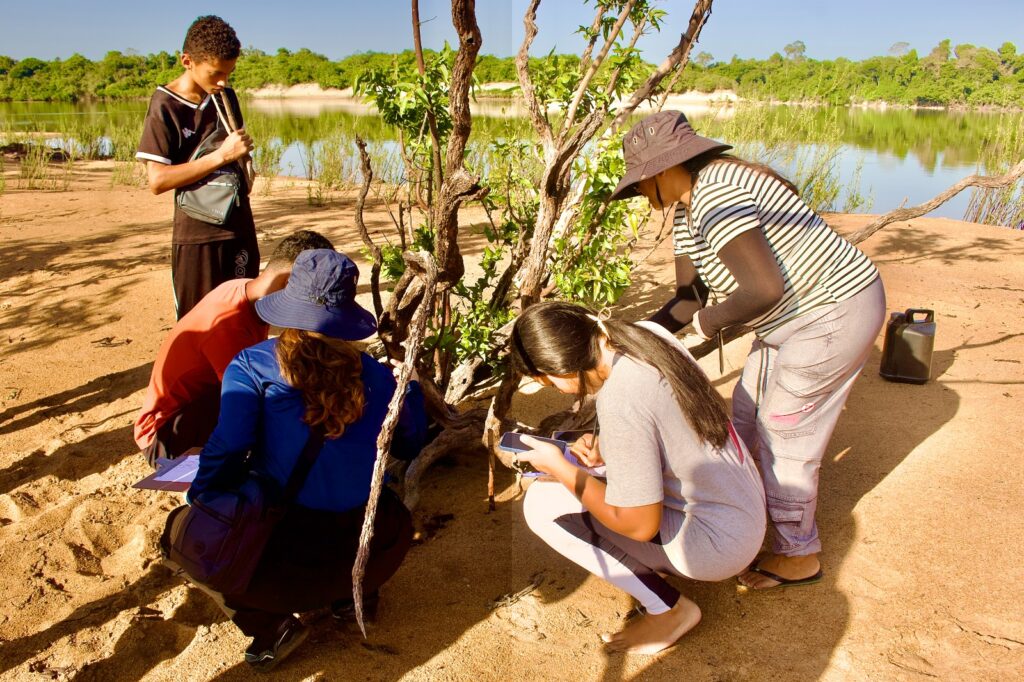
The workshop aimed to train community agents to monitor chelonians (tracajás), including tracking the egg hatching rate, a period that primarily occurs between July and October. This initiative contributes to the conservation of the species and the maintenance of its populations within the territory.
For the Xipái people, the chelonian represents far more than just a source of food. Its reproduction is linked to abundance, family unity, and the continuity of knowledge and traditions passed down through generations. Beyond its cultural and nutritional importance, the species performs an essential ecological role in aquatic environments, contributing to the balance of ecosystems.
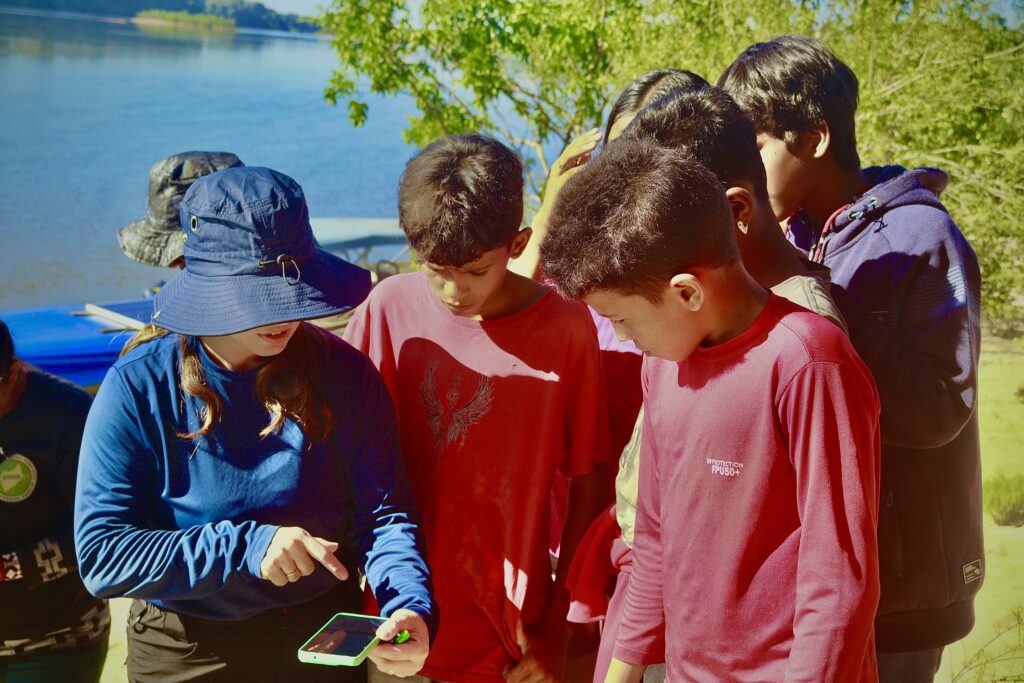
During the workshop, elders shared knowledge about natural cycles, nesting grounds, and traditional management practices. At the same time, youth and children had the opportunity to learn firsthand about the importance of knowing, monitoring, and protecting the biodiversity of their own territory.
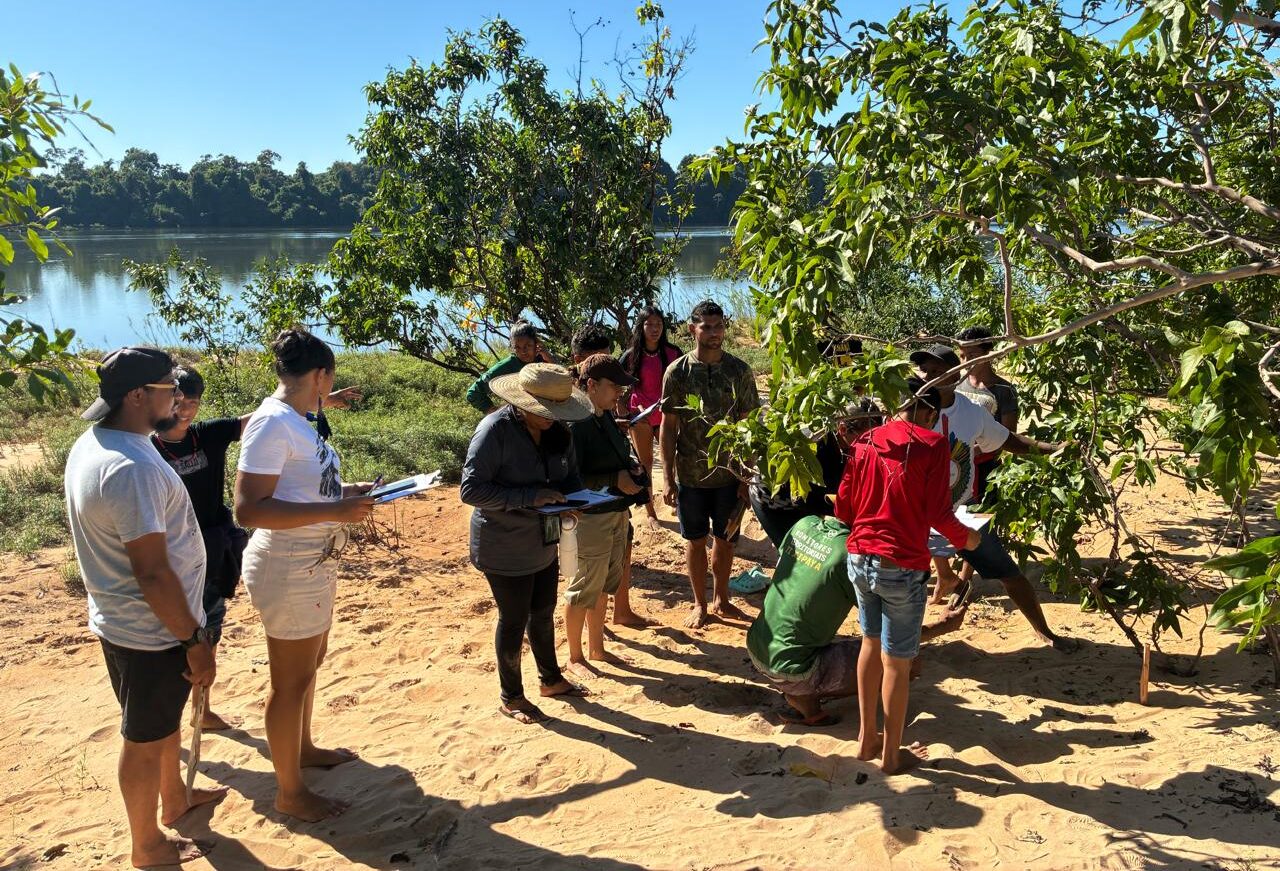
Practical activities included monitoring strategic beaches, such as Praia do Amor, Praia do Moreira, Ilha das Pombas, and Praia da Recordação. These expeditions allowed participants to track chelonian nesting sites while simultaneously observing the environmental conditions of these areas.
More than an effort focused on conserving a single species, this initiative integrates ancestral wisdom with scientific knowledge, strengthening Territorial Management, cultural identity, and the collective commitment to land conservation.
For the Xipái people, who are deeply connected to the forest and the rivers, everything is interconnected. In this context, monitoring chelonians goes far beyond species conservation: it is a practice that brings together culture, environmental stewardship, territorial protection, and the transmission of knowledge. The chelonian season is marked by unity, abundance, and renewal. Sharing traditional food strengthens bonds between families and keeps alive cultural practices handed down over generations. Simultaneously, monitoring beaches and islands contributes to river conservation and creates opportunities to remove waste and maintain these environments.
The expeditions also reinforce territorial surveillance, helping identify potential encroachments, illegal fishing, and other threats. In this way, a biodiversity conservation effort transforms into a vital strategy for territorial protection.
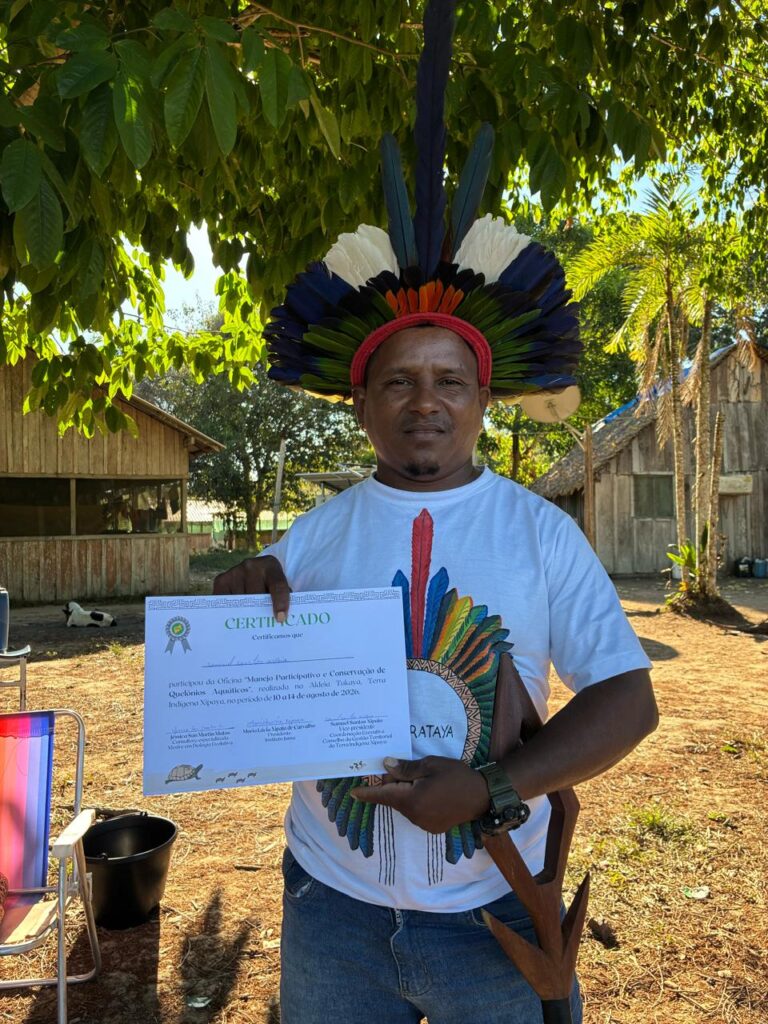
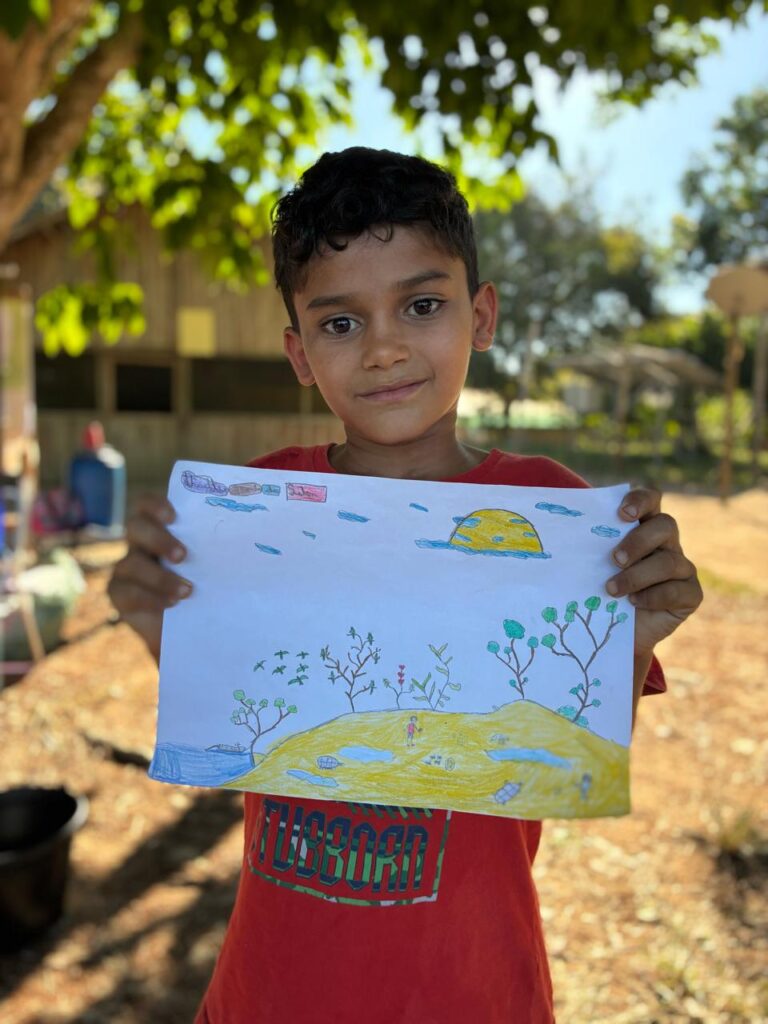
All of this takes place with the active participation of elders, territorial agents, youth, women, and children, ensuring that traditional knowledge is shared across generations and that young people learn, from an early age, the importance of knowing, belonging to, and protecting their own land.
This action is the result of a partnership between the Territorial Management Council of the Xipaya Indigenous Territory (CGTTIX) and the Juma Institute, with fundamental support from The Nature Conservancy (TNC). Far beyond contributing to the conservation of a species, the Juma Institute reaffirms through this initiative its commitment to protecting ecosystems, valuing traditional knowledge, strengthening Territorial Management, and collectively building a sustainable future for the Xipái people and the Amazon.